• Skip to main content
  • Skip to footer
Eco Friendly CBD OIL

Eco Friendly CBD OIL

The Best Eco Friendly CBD Oil

  • Home
  • CBD Health
  • Cannabis News
  • Contact

CBD OIL

The First Human Study Focusing On Cannabis For PTSD Treatment Has Been Approved

March 1, 2021 by CBD OIL

The Battle Brothers Foundation has received approval to launch an observational study on the use of medical cannabis to help combat PTSD in veterans. In concert with NiaMedic, an Israeli-American medical data and research company, the study will determine if cannabis treatment will be beneficial in reducing symptoms in patients with treatment-resistant PTSD.

The two groups received approval to proceed with the study from the national Independent Review Board (IRB), which is the independent committee that reviews the methods proposed for research to ensure that they are ethical.

The study will enroll 60 California veterans with moderate or severe PTSD over the next year. Participants will dose and titrate individually purchased products by their own discretion. They will then be followed for 90 days to evaluate the safety and efficiency of cannabis on their symptoms. Results of the study will be documented and monitored at that time. Participants will be limited to using legally available cannabis products in California’s market and will also be monitored for any adverse effects due to the use of cannabis.

‘The study hypothesis is that cannabis treatment will be beneficial in reducing the PTSD symptoms in patients with treatment-resistant PTSD,’ says Bryan Buckley, founder and president for the Board of Battle Brothers Foundation.

“This news could not come at a better time. Every day, 22 veterans are dying due to effects of post traumatic stress from opioid addiction to depression. Through anecdotal experiences, we know that cannabis can alleviate symptoms and provide relief. We appreciate that the IRB recognizes the validity of and the need for this study,” says Buckley.

MORE FOR YOU

Congressional Cannabis Caucus Co-Chairs Urge President Biden To Pardon Federal Cannabis Prisoners

The Inside Story Of A Trump Pardon Gone Wrong

Promising Anti-Anxiety Treatment Targeting The Endocannabinoid System Gains Steam In Canada

According to the National Institutes of Health, the rate of PTSD among returning service members varies widely across wars and eras. In one major study of 60,000 Iraq and Afghanistan veterans, 13.5% of deployed and non-deployed veterans screened positive for PTSD, while other studies show the rate to be as high as 20% to 30%. As many as 500,000 U.S. troops who served in these wars over the past 13 years have been diagnosed with PTSD.

cannabis marijuana ptsd veterans

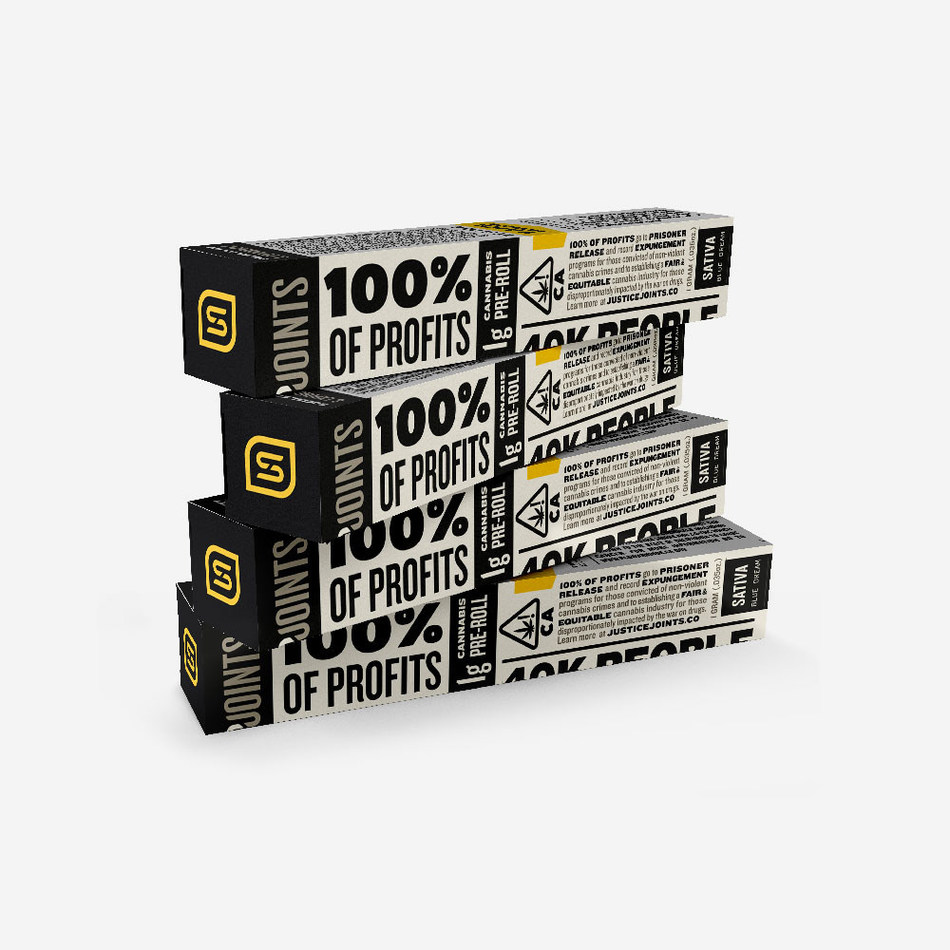
Pre-rolled joints form Helmand Valley Growers Company

The Battle Brothers Foundation is the nonprofit arm of Helmand Valley Growers Company, a cannabis company founded by disabled United States Special Operations veterans that donates 100% of its profits to fund research on the medical use of cannabis for veterans.

In 2016, Helmand Valley Growers Company founders spoke to members of Congress about the viability of medical cannabis as an alternative to the opioids military veterans were prescribed. They were advised to research data working alongside American medical doctors to build a strong case to present to the Department of Veteran’s Affairs. After teaming with NiaMedic, they compiled and presented their proprietary research to the IRB in July 2020.

Original Article: https://www.forbes.com/sites/forbes-personal-shopper/2021/02/26/best-sales-online-right-now-this-weekend/?sh=68b0ac827716

Filed Under: CBD Health

CBD & Cannabis Business Financing in 2021

March 1, 2021 by CBD OIL

Renewed interest in financing cannabidiol (CBD) and cannabis businesses could signal that investors are starting to feel positive again about the future after companies seemingly weathered the worst of the storm in 2020.

HempFusion Wellness began the year with the optimistic gesture of commencing trading on the Toronto Stock Exchange on January 6th, completing its initial public offering of 7m common shares for USD $7m.

“The additional USD $17m in capital adds to our healthy treasury, providing us with a solid foundation to build from and execute on our strategic plans for 2021 and beyond,” said HempFusion CEO Jason Mitchell.

“Our goals include increased investment into research and development, expanding our sales and distribution networks, and firmly establishing HempFusion as a leader in the dynamic global CBD industry.”

The firm’s offerings include HempFusion-owned Biome Labs, HF Labs, and Probulin Probiotics, for which it has just launched an Amazon e-commerce store to expand its distribution, drive online growth, and increase brand awareness.

“We are incredibly excited to launch The Probulin Store on Amazon, which provides our brand with tremendous exposure to new customers,” said Mitchell.

Probulin itself is a non-CBD product; Amazon still maintains a ban on CBD products, other than its ongoing limited trial in the UK.

HempFusion’s topical CBD products include creams and balms that target acne, anti-aging, sports pain relief, eczema relief, and wound care.

Meanwhile, another special purpose acquisition company (SPAC) has expressed interest in hemp and CBD. Ackrell SPAC partners, newly formed at the end of last year, will invest up to $100m in fast-moving consumer goods including hemp–particularly in beverage and wellness products.

“Our management team believes that hemp-based consumer goods have the potential for mass consumer appeal around the world,” the company said. “Consumers are beginning to use hemp-based products to treat a variety of medical conditions, including anxiety, insomnia, pain, and inflammation.”

Further positive news for the industry comes in the form of musician-related investments. Subversive Capital Acquisition, another SPAC–this time in the cannabis space–hired Jay Z to “foster social equity” in the industry. It has already purchased two companies–Caliva, a cannabis brand, and Left Coast Ventures, an investment firm and producer, and is looking for more targets.

Meanwhile Snoop Dogg’s venture capital firm Casa Verde has raised $100m for its investment fund Casa Verde Capital, according to documents filed with the US Securities and Exchange Commission.

The fund’s managing director, Karan Wadhera, predicts that the cannabis industry will benefit from an increased drive towards legalization.

“Sitting here today, four-plus months into COVID, cannabis has really proven itself to be a non-cyclical industry,” Wadhera told TechCrunch in July 2019. “Cannabis has been deemed an essential business everywhere across the US. We had record sales in March, April, and May, and the trend has continued.

“And now that we are getting into an environment where governments are going to be looking for additional sources of tax revenue, the potential urgency around cannabis legalization is going to be there, which is going to be massively positive for the industry.”

There’s no indication of the target for the new venture capital fund but the fundraising has more than doubled Casa Verde’s initial investment vehicle.

Similarly, Aurora Cannabis announced it had raised around $125m through the sale of 12m shares at a price of $10.45 per unit. The money will be used for general corporate purposes, including potentially reducing debt.

In related psychedelic fields, Berlin-based biotech company Atai Life Sciences also raised $125m last year when it closed a round of Series C funding. Apeiron Investment Group, as well as Catalio Capital Management and billionaire Peter Thiel, co-founder of PayPal and the first outside investor in Facebook, led the round.

“Proceeds from the financing will be used primarily to fund pre-clinical and clinical development of Atai’s existing mental health programs, to expand its drug candidate pipeline, and further advance Atai’s platform technologies,” said the firm, which is developing treatments for mental health issues.

“We believe that our psychedelic and non-psychedelic compounds have compelling therapeutic promise, based upon a growing body of scientific evidence. This round of funding is another step towards our vision to effectively treat and ultimately prevent mental health disorders, bridging the gap between what the mental health system currently provides and what patients need,” said Florian Brand, CEO and co-founder of Atai Life Sciences.

Atai chairman Christian Angermayer added, “With COVID-19 only accentuating the failures of existing standards of care, we are at an inflection point when it comes to seriously addressing this global mental health crisis.”

Original Article: https://www.cbd-intel.com/financial-investments-suggest-a-mood-of-optimism-around-cbd-and-cannabis/

Image Credit: Nattanan Kanchanaprat

Image Source: https://pixabay.com/photos/money-coin-investment-business-2724241/

CBD-Intel provides impartial, independent, and premium market and regulatory analysis, legal tracking, and quantitative data for the CBD sector.

We provide our clients with the tools to navigate this fast-moving sector, tailor their business strategy, optimize resources, and make informed decisions. In addition, we offer customized research and consultancy support.

Filed Under: CBD Health

‘A Gigantic Opportunity and Resource Gap’: Q&A with Amber Littlejohn

March 1, 2021 by CBD OIL

Shannon Price | Adobe Stock

Job growth in the cannabis sector doesn’t appear to be slowing down anytime soon.

The legal cannabis industry now supports 321,000 workers in the United States, with 77,000-plus jobs created in 2020, or roughly a 32% increase across the 37 states and the District of Columbia with medical or adult-use markets, according to a report by Leafly.

While cannabis companies were not immune to layoffs and furloughs during the onset of COVID-19, as job growth experienced a lull between March and August, hiring picked back up, and many operations thrived during the pandemic. The year-over-year growth showed that the cannabis sector created jobs at a faster rate than almost any other American industry, according to Leafly.

James Yagielo, the CEO of HempStaff, a recruiting and training company based in Miami that specializes in the cannabis and hemp industries, said the 32% increase reported by Leafly did not leave him open-mouthed. 

“It was not really that surprising because it was essential business, so that really narrowed down a lot of the different industries because a lot of industries are not essential,” he said. “So, I think that may have definitely skewed the numbers in cannabis’ favor. But, additionally, even though last year was a horrendous year for most people, our recruiting numbers pretty much matched 2019. We didn’t get the increase we expected, but we didn’t really get decrease either.”

When September 2020 hit, job growth picked back up in the sector, Yagielo said.

“We’ve kind of had a boom, say, post Labor Day in the cannabis industry in hiring that to [this] day is still going on,” he said. “So, while we did have that few-months lull, it really picked back up once they realized that the cannabis industry was not going to be hurt by the pandemic.”

The 32% increase in job growth in the cannabis sector came at a time when the broader U.S. economy shrank by 3.5% in 2020, according to the Bureau of Economic Analysis.

Although the cannabis industry may have appeared recession-proof to some, Vangst, a Denver-based recruiting platform that connects cannabis job seekers with employees, reported 80% of its clients had to lay off or furlough employees when stay-at-home orders rolled out at the onset of COVID-19, CEO Karson Humiston said.

“Nobody knew how the cannabis industry would respond to really its first economic downturn,” she said. “And, at the end of the day, cannabis was deemed essential and businesses did well, and people continued purchasing, consuming cannabis, but nobody knew that that would happen. And, so, capital stopped blowing into the space, which is a big driver of expansion, and businesses really kind of reined in their growth and expansion plans to see how the year would shake out.”

By the end of the year, companies were back on track with their hiring plans, Humiston said.

“Fortunately, the year went great and the election results were great, and I think that’s setting us up for huge, huge, huge growth potential in 2021 and beyond for jobs and cannabis,” she said.

With the hiring increase experienced in 2020, the U.S. cannabis industry now supports nearly as many jobs as there are firefighters in the country, according to U.S. Bureau of Labor Statistics.

As employment continues to heat up, so are salaries and benefits in the sector, Humiston said. According to Vangst’s 2020 Cannabis Industry Salary Guide released last month, 83% of cannabis companies Vangst surveyed offer paid-time off, 73% offer medical insurance, 63% offer dental insurance, 62% offer vision insurance, 28% offer equity or stock options and 29% offer 401(k) plans—a more than 10% year-over-year increase.

“You have to remember the cannabis industry is a startup,” Humiston said. “The entire industry is a startup. This is one of the most immature market industries in the country, and yet they’re providing these great benefits and every year they keep on getting better. And, so, I think this industry is doing a great job in terms of how it’s paying its employees and in terms of the benefits that it’s providing.”

According to Cannabis Business Times and Cannabis Dispensary’s recent Best Cannabis Companies To Work For research, many employees are not satisfied with their pay and benefits, according to anonymous questionnaires distributed to teams of companies that applied to be in the program. The feedback showed 65% of cultivation employees at Best Cannabis Companies said they agreed their pay was fair for the work they perform, while that number was 59% for companies that applied but did not rank. Those numbers were 78% for dispensary employees working for top companies and 60% for others.

Budtenders, trimmers/post harvesters, packagers and delivery drivers in the 15 select states surveyed in Vangst’s guide made an average wage of $15 to $16 per hour, while some of the higher-paid jobs, like vice presidents of retail operations, manufacturing or sales, and directors of cultivation or extraction, all earned averaged salaries in the range of $105,000 to $160,000.

At HempStaff, Yagielo said the biggest increase in salary his company has noticed is for testing lab managers.

“There’s a lot of testing labs across the country trying to get online, when there’s not a lot of people that are your high-level Ph.D. scientists to get a lab set up,” he said. “So, we’ve seen, you know, salaries of lab managers go up above the $200,000-a-year mark recently. They’re usually looking for a Ph.D. in chemistry or something along those lines.”

When new states enact medical or adult-use cannabis programs, there’s often a big rush to relocate top-level managers to those states, whether it be for cultivation, extraction, manufacturing, retail or testing lab operations, Yagielo said. And once those people are relocated, then they start hiring their staff locally, he said.

“And these newer states tend to bump up salaries to entice people, because you’re going to have not as many growers that want to leave a state like Colorado, that’s totally legal, to go to a Mississippi, [which just passed medical cannabis legalization in the November 2020 election],” Yagielo said.

According to Leafly, more than 35,500 Coloradans are employed by the cannabis industry, where sales began in 2014 and raked in $2.2 billion in 2020. Colorado is only outdone by California, which supported roughly 58,000 cannabis jobs in a $4.4 billion market in 2020.

In New Jersey, where Gov. Phil Murphy signed legislation Feb. 22 to legalize adult-use cannabis following voters’ approval of the constitutional amendment, job numbers are estimated to grow by 25,000 in the sector during the first year it enacts a program, Humiston said.

“That’s a lot of brand-new jobs being created, in addition to all the tax revenue that’s being created,” she said. “I mean, cannabis creates jobs, period, and helps communities help people get to work.”

When asked if some of the more mature markets, like Colorado and California, will level off with future job growth, Humiston said she doesn’t see that happening anytime soon.

“The beauty is that more and more consumers are coming into the market every year,” she said. “There’s a whole population of people that haven’t tried cannabis yet. As those consumers continue to become customers, the businesses continue growing. And, so, we’ve certainly seen a level of consolidation, but, if you look at the market trends, the market has continued to grow every single year since it legalized. And as the market grows, meaning just general cannabis sales, there’s a need for more employees.”

With the need for more employees comes the need for job-seeking candidates, who are not on short supply for many entry-level positions. Yagielo said he sees anywhere from 100 to 300 resumes for each job opening, with the number ranging on the high end for budtender positions. But future demand could come by way of factory jobs, he said.

While cannabis job growth has continued to boom, the United States’ industrial hemp industry has leveled off in the past year or so because of market saturation without enough factories to support it, Yagielo said.

“Until you have more of those factories, unfortunately, there is a lot of hemp just getting moldy in people’s barns,” he said. “When [more infrastructure is created], I think your job market is going to explode, because factories need thousands of people to run them.”

Both Humiston and Yagielo said there’s a direct correlation between more capital entering the space and increased hiring in the industry.

In addition to more states coming on board with cannabis legalization, financing options at the federal level would bring a new round of capital into the industry, Humiston said. The Secure And Fair Enforcement (SAFE) Banking Act—proposed legislation regarding the disposition of funds gained through the cannabis industry in the U.S.—would open those doors, she said.

In other words, some companies that have the financial wherewithal to join space in the industry haven’t yet pulled the trigger without fiscal confidence at the federal level.

“I think the other big factor outside of states becoming legalized is businesses having access to capital,” Humiston said. “As businesses can take on more traditional financing options, that will allow them to grow and expand and hire more people. So, I think SAFE Banking is a big bill that everybody’s kind of paying attention to, hoping that that pushes through.

“And then just as more investors get comfortable with the space, capital will lead to growth, which the No. 1 thing people do when they grow is hire.”

Filed Under: Cannabis News

Virginia Legislature Passes Adult-Use Cannabis Legalization Bill

March 1, 2021 by CBD OIL

Shannon Price | Adobe Stock

Job growth in the cannabis sector doesn’t appear to be slowing down anytime soon.

The legal cannabis industry now supports 321,000 workers in the United States, with 77,000-plus jobs created in 2020, or roughly a 32% increase across the 37 states and the District of Columbia with medical or adult-use markets, according to a report by Leafly.

While cannabis companies were not immune to layoffs and furloughs during the onset of COVID-19, as job growth experienced a lull between March and August, hiring picked back up, and many operations thrived during the pandemic. The year-over-year growth showed that the cannabis sector created jobs at a faster rate than almost any other American industry, according to Leafly.

James Yagielo, the CEO of HempStaff, a recruiting and training company based in Miami that specializes in the cannabis and hemp industries, said the 32% increase reported by Leafly did not leave him open-mouthed. 

“It was not really that surprising because it was essential business, so that really narrowed down a lot of the different industries because a lot of industries are not essential,” he said. “So, I think that may have definitely skewed the numbers in cannabis’ favor. But, additionally, even though last year was a horrendous year for most people, our recruiting numbers pretty much matched 2019. We didn’t get the increase we expected, but we didn’t really get decrease either.”

When September 2020 hit, job growth picked back up in the sector, Yagielo said.

“We’ve kind of had a boom, say, post Labor Day in the cannabis industry in hiring that to [this] day is still going on,” he said. “So, while we did have that few-months lull, it really picked back up once they realized that the cannabis industry was not going to be hurt by the pandemic.”

The 32% increase in job growth in the cannabis sector came at a time when the broader U.S. economy shrank by 3.5% in 2020, according to the Bureau of Economic Analysis.

Although the cannabis industry may have appeared recession-proof to some, Vangst, a Denver-based recruiting platform that connects cannabis job seekers with employees, reported 80% of its clients had to lay off or furlough employees when stay-at-home orders rolled out at the onset of COVID-19, CEO Karson Humiston said.

“Nobody knew how the cannabis industry would respond to really its first economic downturn,” she said. “And, at the end of the day, cannabis was deemed essential and businesses did well, and people continued purchasing, consuming cannabis, but nobody knew that that would happen. And, so, capital stopped blowing into the space, which is a big driver of expansion, and businesses really kind of reined in their growth and expansion plans to see how the year would shake out.”

By the end of the year, companies were back on track with their hiring plans, Humiston said.

“Fortunately, the year went great and the election results were great, and I think that’s setting us up for huge, huge, huge growth potential in 2021 and beyond for jobs and cannabis,” she said.

With the hiring increase experienced in 2020, the U.S. cannabis industry now supports nearly as many jobs as there are firefighters in the country, according to U.S. Bureau of Labor Statistics.

As employment continues to heat up, so are salaries and benefits in the sector, Humiston said. According to Vangst’s 2020 Cannabis Industry Salary Guide released last month, 83% of cannabis companies Vangst surveyed offer paid-time off, 73% offer medical insurance, 63% offer dental insurance, 62% offer vision insurance, 28% offer equity or stock options and 29% offer 401(k) plans—a more than 10% year-over-year increase.

“You have to remember the cannabis industry is a startup,” Humiston said. “The entire industry is a startup. This is one of the most immature market industries in the country, and yet they’re providing these great benefits and every year they keep on getting better. And, so, I think this industry is doing a great job in terms of how it’s paying its employees and in terms of the benefits that it’s providing.”

According to Cannabis Business Times and Cannabis Dispensary’s recent Best Cannabis Companies To Work For research, many employees are not satisfied with their pay and benefits, according to anonymous questionnaires distributed to teams of companies that applied to be in the program. The feedback showed 65% of cultivation employees at Best Cannabis Companies said they agreed their pay was fair for the work they perform, while that number was 59% for companies that applied but did not rank. Those numbers were 78% for dispensary employees working for top companies and 60% for others.

Budtenders, trimmers/post harvesters, packagers and delivery drivers in the 15 select states surveyed in Vangst’s guide made an average wage of $15 to $16 per hour, while some of the higher-paid jobs, like vice presidents of retail operations, manufacturing or sales, and directors of cultivation or extraction, all earned averaged salaries in the range of $105,000 to $160,000.

At HempStaff, Yagielo said the biggest increase in salary his company has noticed is for testing lab managers.

“There’s a lot of testing labs across the country trying to get online, when there’s not a lot of people that are your high-level Ph.D. scientists to get a lab set up,” he said. “So, we’ve seen, you know, salaries of lab managers go up above the $200,000-a-year mark recently. They’re usually looking for a Ph.D. in chemistry or something along those lines.”

When new states enact medical or adult-use cannabis programs, there’s often a big rush to relocate top-level managers to those states, whether it be for cultivation, extraction, manufacturing, retail or testing lab operations, Yagielo said. And once those people are relocated, then they start hiring their staff locally, he said.

“And these newer states tend to bump up salaries to entice people, because you’re going to have not as many growers that want to leave a state like Colorado, that’s totally legal, to go to a Mississippi, [which just passed medical cannabis legalization in the November 2020 election],” Yagielo said.

According to Leafly, more than 35,500 Coloradans are employed by the cannabis industry, where sales began in 2014 and raked in $2.2 billion in 2020. Colorado is only outdone by California, which supported roughly 58,000 cannabis jobs in a $4.4 billion market in 2020.

In New Jersey, where Gov. Phil Murphy signed legislation Feb. 22 to legalize adult-use cannabis following voters’ approval of the constitutional amendment, job numbers are estimated to grow by 25,000 in the sector during the first year it enacts a program, Humiston said.

“That’s a lot of brand-new jobs being created, in addition to all the tax revenue that’s being created,” she said. “I mean, cannabis creates jobs, period, and helps communities help people get to work.”

When asked if some of the more mature markets, like Colorado and California, will level off with future job growth, Humiston said she doesn’t see that happening anytime soon.

“The beauty is that more and more consumers are coming into the market every year,” she said. “There’s a whole population of people that haven’t tried cannabis yet. As those consumers continue to become customers, the businesses continue growing. And, so, we’ve certainly seen a level of consolidation, but, if you look at the market trends, the market has continued to grow every single year since it legalized. And as the market grows, meaning just general cannabis sales, there’s a need for more employees.”

With the need for more employees comes the need for job-seeking candidates, who are not on short supply for many entry-level positions. Yagielo said he sees anywhere from 100 to 300 resumes for each job opening, with the number ranging on the high end for budtender positions. But future demand could come by way of factory jobs, he said.

While cannabis job growth has continued to boom, the United States’ industrial hemp industry has leveled off in the past year or so because of market saturation without enough factories to support it, Yagielo said.

“Until you have more of those factories, unfortunately, there is a lot of hemp just getting moldy in people’s barns,” he said. “When [more infrastructure is created], I think your job market is going to explode, because factories need thousands of people to run them.”

Both Humiston and Yagielo said there’s a direct correlation between more capital entering the space and increased hiring in the industry.

In addition to more states coming on board with cannabis legalization, financing options at the federal level would bring a new round of capital into the industry, Humiston said. The Secure And Fair Enforcement (SAFE) Banking Act—proposed legislation regarding the disposition of funds gained through the cannabis industry in the U.S.—would open those doors, she said.

In other words, some companies that have the financial wherewithal to join space in the industry haven’t yet pulled the trigger without fiscal confidence at the federal level.

“I think the other big factor outside of states becoming legalized is businesses having access to capital,” Humiston said. “As businesses can take on more traditional financing options, that will allow them to grow and expand and hire more people. So, I think SAFE Banking is a big bill that everybody’s kind of paying attention to, hoping that that pushes through.

“And then just as more investors get comfortable with the space, capital will lead to growth, which the No. 1 thing people do when they grow is hire.”

Filed Under: Cannabis News

South Dakota Moves Forward on Licensing Procedure: Week in Review

February 27, 2021 by CBD OIL

<![CDATA[

This week, we’re spotlighting state cannabis markets in various states of flux: hung up in court, on the precipice of sales and somewhere in the early stages of the transition from medical to adult-use. It’s an exciting time in the industry. As 2021 opens, we can see new business landscapes taking shape in nearly every corner of the U.S.

Federal reform, while far from clear, is inching closer into our sightlines, too.

Here are some of the top headlines from this past week:

  • Despite the entire adult-use market being held up by a recent appeals court ruling (deemed unconstitutional, in fact), South Dakota legislators are moving forward with plans to license retail businesses. It’s new territory for the cannabis landscape, and it remains unclear how this tension will resolve. Read more 
  • Meanwhile, in West Virginia, dispensaries are getting ready to open their doors once product is in place later this year. Read more 
  • And in Pennsylvania, a bipartisan bill has emerged that would legalize adult-use cannabis. It’s a significant step forward in a state whose governor and lieutenant governor have championed the cause. Read more 
  • In Arizona, Verano Holdings announced its acquisition of Territory Dispensary, expanding the multi-state operator’s footprint in this newly legalized adult-use market. Read more 
  • Texas Original Compassionate Cultivation CEO Morris Denton provided a glimpse into his business’s response to severe winter weather this month. “Our team is a resilient bunch,” he said, “and very purpose-driven and passionate about doing our best to get our medicine safely and quickly into the hands of our patients whom we serve throughout the state of Texas.” Read more 

And elsewhere on the web, here are the stories we’ve been reading this week:

  • Virginia Mercury: As of Friday morning, Virginia lawmakers were scrambling to align an approach to adult-use cannabis legalization—resolving differences over regulatory language set up for 2021—and it wasn’t quite clear whether a Saturday deadline would be met. Read more 
  • NJ.com: New Jersey Gov. Phil Murphy has announced his picks for the Cannabis Regulatory Commission, which will oversee the recently legalize adult-use marketplace. Read more  
  • MLive.com: Cookies, which already had a retail site in Detroit (medical-only, for now) celebrated its grand opening in Kalamazoo, Mich., on Friday. Read more   
  • ABC15: While Arizona got off to a quick start with its adult-use licensing process, the medical cannabis market in rural areas of the state is suffering. Retailers have sued the state, insisting that the licensing procedure over the past few years has left an imbalanced landscape for patients to navigate. Read more  
  • Marketwatch: Soccer star David Beckham’s cannabis skin care company, Cellular Goods, is off to a hot start on the London Stock Exchange—only a few days after the trading platform began allowing cannabis businesses into the fold. Read more 


]]>

Filed Under: Cannabis News

Job Boom Continues to Soar in Cannabis Sector, Outdoing Nearly All Other American Industries

February 26, 2021 by CBD OIL

Shannon Price | Adobe Stock

Job growth in the cannabis sector doesn’t appear to be slowing down anytime soon.

The legal cannabis industry now supports 321,000 workers in the United States, with 77,000-plus jobs created in 2020, or roughly a 32% increase across the 37 states and the District of Columbia with medical or adult-use markets, according to a report by Leafly.

While cannabis companies were not immune to layoffs and furloughs during the onset of COVID-19, as job growth experienced a lull between March and August, hiring picked back up, and many operations thrived during the pandemic. The year-over-year growth showed that the cannabis sector created jobs at a faster rate than almost any other American industry, according to Leafly.

James Yagielo, the CEO of HempStaff, a recruiting and training company based in Miami that specializes in the cannabis and hemp industries, said the 32% increase reported by Leafly did not leave him open-mouthed. 

“It was not really that surprising because it was essential business, so that really narrowed down a lot of the different industries because a lot of industries are not essential,” he said. “So, I think that may have definitely skewed the numbers in cannabis’ favor. But, additionally, even though last year was a horrendous year for most people, our recruiting numbers pretty much matched 2019. We didn’t get the increase we expected, but we didn’t really get decrease either.”

When September 2020 hit, job growth picked back up in the sector, Yagielo said.

“We’ve kind of had a boom, say, post Labor Day in the cannabis industry in hiring that to [this] day is still going on,” he said. “So, while we did have that few-months lull, it really picked back up once they realized that the cannabis industry was not going to be hurt by the pandemic.”

The 32% increase in job growth in the cannabis sector came at a time when the broader U.S. economy shrank by 3.5% in 2020, according to the Bureau of Economic Analysis.

Although the cannabis industry may have appeared recession-proof to some, Vangst, a Denver-based recruiting platform that connects cannabis job seekers with employees, reported 80% of its clients had to lay off or furlough employees when stay-at-home orders rolled out at the onset of COVID-19, CEO Karson Humiston said.

“Nobody knew how the cannabis industry would respond to really its first economic downturn,” she said. “And, at the end of the day, cannabis was deemed essential and businesses did well, and people continued purchasing, consuming cannabis, but nobody knew that that would happen. And, so, capital stopped blowing into the space, which is a big driver of expansion, and businesses really kind of reined in their growth and expansion plans to see how the year would shake out.”

By the end of the year, companies were back on track with their hiring plans, Humiston said.

“Fortunately, the year went great and the election results were great, and I think that’s setting us up for huge, huge, huge growth potential in 2021 and beyond for jobs and cannabis,” she said.

With the hiring increase experienced in 2020, the U.S. cannabis industry now supports nearly as many jobs as there are firefighters in the country, according to U.S. Bureau of Labor Statistics.

As employment continues to heat up, so are salaries and benefits in the sector, Humiston said. According to Vangst’s 2020 Cannabis Industry Salary Guide released last month, 83% of cannabis companies Vangst surveyed offer paid-time off, 73% offer medical insurance, 63% offer dental insurance, 62% offer vision insurance, 28% offer equity or stock options and 29% offer 401(k) plans—a more than 10% year-over-year increase.

“You have to remember the cannabis industry is a startup,” Humiston said. “The entire industry is a startup. This is one of the most immature market industries in the country, and yet they’re providing these great benefits and every year they keep on getting better. And, so, I think this industry is doing a great job in terms of how it’s paying its employees and in terms of the benefits that it’s providing.”

According to Cannabis Business Times and Cannabis Dispensary’s recent Best Cannabis Companies To Work For research, many employees are not satisfied with their pay and benefits, according to anonymous questionnaires distributed to teams of companies that applied to be in the program. The feedback showed 65% of cultivation employees at Best Cannabis Companies said they agreed their pay was fair for the work they perform, while that number was 59% for companies that applied but did not rank. Those numbers were 78% for dispensary employees working for top companies and 60% for others.

Budtenders, trimmers/post harvesters, packagers and delivery drivers in the 15 select states surveyed in Vangst’s guide made an average wage of $15 to $16 per hour, while some of the higher-paid jobs, like vice presidents of retail operations, manufacturing or sales, and directors of cultivation or extraction, all earned averaged salaries in the range of $105,000 to $160,000.

At HempStaff, Yagielo said the biggest increase in salary his company has noticed is for testing lab managers.

“There’s a lot of testing labs across the country trying to get online, when there’s not a lot of people that are your high-level Ph.D. scientists to get a lab set up,” he said. “So, we’ve seen, you know, salaries of lab managers go up above the $200,000-a-year mark recently. They’re usually looking for a Ph.D. in chemistry or something along those lines.”

When new states enact medical or adult-use cannabis programs, there’s often a big rush to relocate top-level managers to those states, whether it be for cultivation, extraction, manufacturing, retail or testing lab operations, Yagielo said. And once those people are relocated, then they start hiring their staff locally, he said.

“And these newer states tend to bump up salaries to entice people, because you’re going to have not as many growers that want to leave a state like Colorado, that’s totally legal, to go to a Mississippi, [which just passed medical cannabis legalization in the November 2020 election],” Yagielo said.

According to Leafly, more than 35,500 Coloradans are employed by the cannabis industry, where sales began in 2014 and raked in $2.2 billion in 2020. Colorado is only outdone by California, which supported roughly 58,000 cannabis jobs in a $4.4 billion market in 2020.

In New Jersey, where Gov. Phil Murphy signed legislation Feb. 22 to legalize adult-use cannabis following voters’ approval of the constitutional amendment, job numbers are estimated to grow by 25,000 in the sector during the first year it enacts a program, Humiston said.

“That’s a lot of brand-new jobs being created, in addition to all the tax revenue that’s being created,” she said. “I mean, cannabis creates jobs, period, and helps communities help people get to work.”

When asked if some of the more mature markets, like Colorado and California, will level off with future job growth, Humiston said she doesn’t see that happening anytime soon.

“The beauty is that more and more consumers are coming into the market every year,” she said. “There’s a whole population of people that haven’t tried cannabis yet. As those consumers continue to become customers, the businesses continue growing. And, so, we’ve certainly seen a level of consolidation, but, if you look at the market trends, the market has continued to grow every single year since it legalized. And as the market grows, meaning just general cannabis sales, there’s a need for more employees.”

With the need for more employees comes the need for job-seeking candidates, who are not on short supply for many entry-level positions. Yagielo said he sees anywhere from 100 to 300 resumes for each job opening, with the number ranging on the high end for budtender positions. But future demand could come by way of factory jobs, he said.

While cannabis job growth has continued to boom, the United States’ industrial hemp industry has leveled off in the past year or so because of market saturation without enough factories to support it, Yagielo said.

“Until you have more of those factories, unfortunately, there is a lot of hemp just getting moldy in people’s barns,” he said. “When [more infrastructure is created], I think your job market is going to explode, because factories need thousands of people to run them.”

Both Humiston and Yagielo said there’s a direct correlation between more capital entering the space and increased hiring in the industry.

In addition to more states coming on board with cannabis legalization, financing options at the federal level would bring a new round of capital into the industry, Humiston said. The Secure And Fair Enforcement (SAFE) Banking Act—proposed legislation regarding the disposition of funds gained through the cannabis industry in the U.S.—would open those doors, she said.

In other words, some companies that have the financial wherewithal to join space in the industry haven’t yet pulled the trigger without fiscal confidence at the federal level.

“I think the other big factor outside of states becoming legalized is businesses having access to capital,” Humiston said. “As businesses can take on more traditional financing options, that will allow them to grow and expand and hire more people. So, I think SAFE Banking is a big bill that everybody’s kind of paying attention to, hoping that that pushes through.

“And then just as more investors get comfortable with the space, capital will lead to growth, which the No. 1 thing people do when they grow is hire.”

Filed Under: Cannabis News

Cannabis Licensing: Corruption in the Industry

February 26, 2021 by CBD OIL

Politics have long gone hand-in-hand with corruption, operating under the cover of grand promises, altruistic campaigns, and bureaucratic mazes. And as cannabis has inevitably entered the world of politics on its march to legalization, it has collided with the giant roadblock that is corruption, as well.

In this case, corruption’s roots are perhaps a little more easily traced–hyper-localized power over licenses, limited on an arbitrary basis that provides the perfect guise for bribes in various forms, such as community impact fees and donations.

Nearly all states where cannabis is legal either bestow licensing power to local officials or impose statewide limits that don’t reflect the high market demand. Thus, the power to grant licenses–the very key to a multi-billion-dollar industry–is distributed between handfuls of politicians in each state. And naturally, these keys don’t come cheap.

“We’ve seen in some states the price go as high as $500,000 for a license to sell [cannabis]. So, we see people willing to pay large amounts of money to get in to the industry,” special agent Regino Chavez says during an FBI podcast.

The charges against Jasiel Correia, former mayor of Fall River, Massachusetts, on 24 counts revolving around extortion of private citizens with cannabis dispensaries aspirations, allegedly amounting to $600,000–highlighting another example of cannabis corruption. Correia’s chief-of-staff, Genoveva Andrade, has already pled guilty to bribery and extortion charges.

The FBI is looking into “pay-to-play bribery schemes” across several states, including Missouri, Florida, and New York, something that San Bernardino mayor John Valdivia dismisses as “baseless accusations” by salty wannabe cannabis businessmen.

Moreover, former Maryland state delegate Cheryl Glenn was sentenced to two years for taking bribes to support cannabis companies, among other favors.

“Competition belongs in the market, not in the license application process,” Morgan Fox, media relations director for the National Cannabis Industry Association, says.

These, along with many other similar examples, all lead back to the arbitrary license caps, imposed not for health and safety, but for all the wrong reasons. Instead of leveling the playing field, these laws breed fierce financial competition to enter it.

Not to mention that this type of corruption enables only those with the right connections and capital to join an industry where people of color and others most impacted by the War on Drugs cannot even get a seat at the table to start.

Image Credit: Zelandia

Image Source: https://pixabay.com/illustrations/no-corruption-stop-corruption-4650589/

Filed Under: CBD Health

Hemp Went Up Then It Went Down: What’s Next?

February 26, 2021 by CBD OIL

When cannabidiol (CBD) and hemp finally hit the stock market — after decades of prohibition — many investors saw an opportunity. However, in 2019, much of the optimism behind hemp’s stock jump came tumbling down, namely due to an overabundance in products and lack of demand for this quantity.

So, where can we expect stocks to go from here?

This is a tricky question to ask and you should be wary of any article that claims they know where the stock market is heading. While educated guesses can be insightful, no one really knows whether a stock is going to go up or down. There are a number of different factors that play a large role in this outcome, many of which are unique to the particular industry.

In terms of CBD, all eyes are on US government, as their long-awaited regulations are going to play a significant role in hemp stocks. For example, some experts have predicted that cannabis extracts in foods and beverages could increase demand for CBD.

There are two major issues with government regulations that are playing a significant role in hemp and CBD sales:

  1. A lack of Food & Drug Administration (FDA) approval and the hazy legal status in some states impacts the public’s trust and knowledge of CBD. Not to mention, it allows businesses with irresponsible practices to enter the marketplace.
  2. Overregulation on particular aspects of the industry prevents consumers from trying CBD through new avenues.

With the right federal regulations, CBD does have the potential to work its way up again.

Still, we shouldn’t forget that part of the reason stocks went down in the first place is overproduction. Many experts claimed there would be a huge demand for CBD when the 2018 Farm Bill legalized hemp and hemp-derived products. And while there was an initial spike in demand, these predictions were far from accurate and the market just wasn’t there.

With all this said, it’s impossible to know what’s going to happen next. If government regulations work in favor of the CBD industry, consumer confidence may further increase. However, the opposite remains possible if government regulations create more skepticism in the marketplace.

Since the hemp industry is still very new, we need to remember how important our role is too in spreading knowledge about this plant. Currently, there’s too much misinformation out there and, with that, a lack of trust overall in hemp and CBD.

Image Credit: Chris Liverani

Image Source: https://unsplash.com/photos/dBI_My696Rk

Filed Under: CBD Health

TerraVida Holistic Centers Inks Agreement to Merge With Verano Holdings

February 26, 2021 by CBD OIL

In early February, the West Virginia Office of Medical Cannabis (OMC) announced the successful applicants to receive a medical cannabis dispensary permit.

RELATED: Medical Cannabis Dispensary Permits Announced in West Virginia

The OMC posted the full list of dispensary permit holders on its website, which consisted of Ohio-based medical cannabis dispensary Terrasana Cannabis Co. and West Virginia-based medical cannabis dispensary Harvest Care Medical.

Terrasana applied to receive six dispensary permits at the beginning of this year and was awarded all six. The dispensary business was also granted a cultivation and processing license, said William Kedia, Terrasana Cannabis founder and CEO. 

Both dispensaries are making changes and finalizing a game plan in preparation for the expansion.

“The hiring process will not start until we start construction, just because of the timeline,” Kedia said. “I don’t want people waiting on us to do the project for three to five months until it’s finalized. So, as we get to those time points in our game plan, we will hire appropriately and train everyone so everyone is on the same page and ready to go the minute we get the dispensaries, growing and processing facilities all open at the same time.”

RELATED: Harvest Care Medical Prepares to Launch Medical Cannabis Operations in West Virginia: The Starting Line

As for Harvest Care Medical, who won ten dispensary permits, along with cultivation and processing permits, the company is in the process of locking in its properties and is working with architects, engineers and general contractors, said Chief Development Officer Dustin Freas.

Although both dispensaries are getting ready for the expansion, they are unsure when their dispensary, cultivation and processing sites will officially open.

“Our plan is to have all six built out and open later this year, but between COVID and the wintertime, getting contractors to do the build-out has been a challenge,” Kedia said. “And now you have this mass influx of construction projects in West Virginia with everyone trying to build their dispensaries and processing centers, so finding good quality contractors to complete the project in a timely fashion is going to be a challenge.”

Harvest Care Medical is facing a similar challenge.

“We’re in the middle of a pandemic, so it’s not exactly business as usual,” Freas said. “Ordering supplies and equipment that you need could be on backorder, or a construction crew could get COVID, you know?”

Freas said the dispensary must have its grow site operational within six months from the day of the award with one 90-day extension, meaning he thinks that most cultivators who want to be the first to market patient access could have plants propagated by either May or June.

Both Freas and Kedia said one of the biggest challenges would be making sure the product is available and ready for sale when dispensaries open. 

“There is going to be a time lag between when cultivating facilities are constructed and when products are available,” Kedia said. “So, you plant the seed, and then by the time you actually harvest and market the products, it’s about a 10-12 week process. So, you don’t want to have the dispensary open, and then they have the expectation of having the product, and you don’t have anything on the shelves, so there’s a bit of juggling we are going to have to do to make sure this all lines up correctly.”

Additionally, one of the areas that Freas is trying to lobby and work hard on is increasing the patient count in the state, he said.

“There are currently 85 patients registered and certified for cannabis in the entire state of West Virginia right now,” Freas said. “And they’re not really letting doctors market the service, and the state’s not really putting any money behind it, but this isn’t uncommon.”

Freas said that he’s not indicating that West Virginia is dropping the ball, but it creates a back-end concern when opening ten dispensaries and the patient count is low.

However, Bill Freas, Harvest Care Medical CEO and Dustin’s father said that the cannabis commission in West Virginia has been more supportive than any other state they’ve worked with. 

“They really want this to succeed,” Bill said. “They are working with the people that run the applications, and they’re very receptive, and because of that, I think it’s going to be a lot less pain to get to market.”

Aside from challenges, Freas and Kedia said they are excited to become part of the West Virginia market.

Kedia, who has been a physician for the last 20 years in Ohio, said his first-hand experience with the opioid epidemic was challenging. It initially led him to want to be part of the medical cannabis market in Ohio.

“I really felt then, and I feel even more strongly now, that cannabis and medical cannabis, specifically, is a fantastic alternative to our opioid and pain medication our patients depend on,” Kedia said. “And I do think having this alternative is better for patients and better for patients care, and most importantly, better for the quality of life. So, that’s where I get excited because I can now do what I did for patients in Ohio for patients in other states like West Virginia.”

Kedia’s number one goal with the expansion is to help people, he said. 

“Yes, we need to make money to keep places open, we all have bills to pay, our company has bills to pay, but all that aside, our primary focus has to be centered around patients and their well being, and that is more important to me than anything else,” he said.

And Freas and his father, Bill, have similar expectations and goals for Harvest Care Medical and West Virginia patients.

“Our number one goal is to get quality medical cannabis medicine to the residents of West Virginia as quickly and as effectively as possible,” Bill said. “West Virginia has a lot of challenges. One of the big ones is their opioid crisis. We believe that medical cannabis can be a real help. With all the data supporting it, we’re seeing a real difference in reducing the use of opioids and transitioning people, and we’re very committed to helping people.”

Filed Under: Cannabis News

South Dakota Senate Passes Retail Licensing Bill for Adult-Use Cannabis

February 26, 2021 by CBD OIL

In early February, the West Virginia Office of Medical Cannabis (OMC) announced the successful applicants to receive a medical cannabis dispensary permit.

RELATED: Medical Cannabis Dispensary Permits Announced in West Virginia

The OMC posted the full list of dispensary permit holders on its website, which consisted of Ohio-based medical cannabis dispensary Terrasana Cannabis Co. and West Virginia-based medical cannabis dispensary Harvest Care Medical.

Terrasana applied to receive six dispensary permits at the beginning of this year and was awarded all six. The dispensary business was also granted a cultivation and processing license, said William Kedia, Terrasana Cannabis founder and CEO. 

Both dispensaries are making changes and finalizing a game plan in preparation for the expansion.

“The hiring process will not start until we start construction, just because of the timeline,” Kedia said. “I don’t want people waiting on us to do the project for three to five months until it’s finalized. So, as we get to those time points in our game plan, we will hire appropriately and train everyone so everyone is on the same page and ready to go the minute we get the dispensaries, growing and processing facilities all open at the same time.”

RELATED: Harvest Care Medical Prepares to Launch Medical Cannabis Operations in West Virginia: The Starting Line

As for Harvest Care Medical, who won ten dispensary permits, along with cultivation and processing permits, the company is in the process of locking in its properties and is working with architects, engineers and general contractors, said Chief Development Officer Dustin Freas.

Although both dispensaries are getting ready for the expansion, they are unsure when their dispensary, cultivation and processing sites will officially open.

“Our plan is to have all six built out and open later this year, but between COVID and the wintertime, getting contractors to do the build-out has been a challenge,” Kedia said. “And now you have this mass influx of construction projects in West Virginia with everyone trying to build their dispensaries and processing centers, so finding good quality contractors to complete the project in a timely fashion is going to be a challenge.”

Harvest Care Medical is facing a similar challenge.

“We’re in the middle of a pandemic, so it’s not exactly business as usual,” Freas said. “Ordering supplies and equipment that you need could be on backorder, or a construction crew could get COVID, you know?”

Freas said the dispensary must have its grow site operational within six months from the day of the award with one 90-day extension, meaning he thinks that most cultivators who want to be the first to market patient access could have plants propagated by either May or June.

Both Freas and Kedia said one of the biggest challenges would be making sure the product is available and ready for sale when dispensaries open. 

“There is going to be a time lag between when cultivating facilities are constructed and when products are available,” Kedia said. “So, you plant the seed, and then by the time you actually harvest and market the products, it’s about a 10-12 week process. So, you don’t want to have the dispensary open, and then they have the expectation of having the product, and you don’t have anything on the shelves, so there’s a bit of juggling we are going to have to do to make sure this all lines up correctly.”

Additionally, one of the areas that Freas is trying to lobby and work hard on is increasing the patient count in the state, he said.

“There are currently 85 patients registered and certified for cannabis in the entire state of West Virginia right now,” Freas said. “And they’re not really letting doctors market the service, and the state’s not really putting any money behind it, but this isn’t uncommon.”

Freas said that he’s not indicating that West Virginia is dropping the ball, but it creates a back-end concern when opening ten dispensaries and the patient count is low.

However, Bill Freas, Harvest Care Medical CEO and Dustin’s father said that the cannabis commission in West Virginia has been more supportive than any other state they’ve worked with. 

“They really want this to succeed,” Bill said. “They are working with the people that run the applications, and they’re very receptive, and because of that, I think it’s going to be a lot less pain to get to market.”

Aside from challenges, Freas and Kedia said they are excited to become part of the West Virginia market.

Kedia, who has been a physician for the last 20 years in Ohio, said his first-hand experience with the opioid epidemic was challenging. It initially led him to want to be part of the medical cannabis market in Ohio.

“I really felt then, and I feel even more strongly now, that cannabis and medical cannabis, specifically, is a fantastic alternative to our opioid and pain medication our patients depend on,” Kedia said. “And I do think having this alternative is better for patients and better for patients care, and most importantly, better for the quality of life. So, that’s where I get excited because I can now do what I did for patients in Ohio for patients in other states like West Virginia.”

Kedia’s number one goal with the expansion is to help people, he said. 

“Yes, we need to make money to keep places open, we all have bills to pay, our company has bills to pay, but all that aside, our primary focus has to be centered around patients and their well being, and that is more important to me than anything else,” he said.

And Freas and his father, Bill, have similar expectations and goals for Harvest Care Medical and West Virginia patients.

“Our number one goal is to get quality medical cannabis medicine to the residents of West Virginia as quickly and as effectively as possible,” Bill said. “West Virginia has a lot of challenges. One of the big ones is their opioid crisis. We believe that medical cannabis can be a real help. With all the data supporting it, we’re seeing a real difference in reducing the use of opioids and transitioning people, and we’re very committed to helping people.”

Filed Under: Cannabis News

  • « Go to Previous Page
  • Go to page 1
  • Interim pages omitted …
  • Go to page 66
  • Go to page 67
  • Go to page 68
  • Go to page 69
  • Go to page 70
  • Interim pages omitted …
  • Go to page 118
  • Go to Next Page »

Footer

  • Home
  • Privacy Policy
  • Terms of Service