• Skip to main content
  • Skip to footer
Eco Friendly CBD OIL

Eco Friendly CBD OIL

The Best Eco Friendly CBD Oil

  • Home
  • CBD Health
  • Cannabis News
  • Contact

CBD OIL

Judge Tosses Investors’ Suit Against Curaleaf for Falling Stock Prices

February 18, 2021 by CBD OIL

<![CDATA[

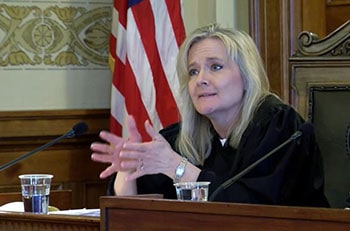
After a year and a half of litigation, a New York federal judge has tossed a proposed securities class action suit against Curaleaf that alleged the company’s inaccurate labeling of its cannabidiol (CBD) products caused its share prices to drop.

Investors in the company filed the lawsuit in August 2019 after Curaleaf received a warning letter from the U.S. Food and Drug Administration (FDA) for selling CBD products with unsubstantiated health claims about the products treating cancer and Parkinson’s disease, among other health conditions. (Curaleaf responded by removing the health claims from its website and social media accounts.)

The day after the FDA administered its letter, Curaleaf’s stock price fell $0.54, or over 7 percent, and continued to fall in the following days.

The plaintiffs have argued that Curaleaf did not properly disclose the risks associated with selling CBD products.

However, in a Feb. 16 ruling, U.S. District Judge Brian Cogan said Curaleaf has been fully transparent about the legality of its business.

“Starting on its first day in existence, the Company publicly and repeatedly acknowledged the very information that plaintiffs contend it concealed: its cannabis-based products are not approved by the FDA and thus the FDA may regard their promotion as violating established law,” Cogan wrote in his opinion.

According to the opinion, the company’s listing statement (administered when the company made its IPO) disclosed that:

  • the company’s cannabis-based products “are not approved by the [FDA] as ‘drugs.’” 

  • the FDA may regard their marketing “as the promotion of an unapproved drug in violation of the [FDCA].” 

  • the “FDA has issued letters to a number of companies selling products that contain CBD . . . warning them that the marketing of their products violates the FDCA.” 

  • an “FDA enforcement action against the [company] could result in a number of negative consequences, including fines, disgorgement of profits, recalls or seizures of products, or a partial or total suspension of the [company’s] production or distribution of its products.”

  • “[a]ny such event could have a material adverse effect on the [company’s] business, prospects, financial condition, and operating results.” 

“What more need the Company disclose about this risk? The Listing Statement says it all,” Cogan wrote in his opinion.

The plaintiffs also argued that Curaleaf did not disclose this information in all press releases, “perhaps recognizing the weakness of their claim that the Listing Statement did not adequately disclose this information,” Cogan wrote. However, the judge found that not every public statement needs a full list of disclosures.

An additional argument from the plaintiffs was that Curaleaf claimed its products were safe, effective and had the health benefits advertised. But the plaintiffs alleged the FDA’s letter proved these claims were false.

Cogan, however, found the FDA’s letter did not necessarily dispute these claims.

“The reason that this letter exists at all is because the FDA has not been provided adequate information to determine whether the CBD products are safe or effective for any use whatsoever,” Cogan wrote. “The letter doesn’t opine on whether the products are safe and effective; it just explains that defendants cannot say that they are. And … plaintiffs’ claims fail to the extent that they are based on the lack of FDA approval."


]]>

Filed Under: Cannabis News

HEXO Corp. Picks Up Zenabis Global Inc. in $235-Million Deal

February 18, 2021 by CBD OIL

<![CDATA[

HEXO Corp. announced its acquisition of Zenabis Global Inc. earlier this week, a major headline that sees the Canadian licensed producer planting a flag in Europe’s cannabis market. The deal was inked at $235 million, a standout sum that adds to the tentative optimism surrounding large-scale cannabis M&A in 2021.

HEXO will pick up Zenabis’ two indoor cultivation facilities and 2.1 million square feet of greenhouse space (all located in Canada) to ramp up capacity with another 111,200 kg of production annually.

“The transaction gives HEXO immediate access to the European medical cannabis market through Zenabis’ local partner, with an established facility in the European Union supplying pharmaceutical products to the European market,” according to a press release announcing the move. “The facility also serves as a European Union Good Manufacturing Practice packaging and distribution center for medical cannabis products produced in Zenabis’ Atholville facility.”

Atholville is located in New Brunswick, Canada. Zenabis’ local partner on the ground in Europe is ZenPharm, based in Malta.

“We’re thrilled to welcome the Zenabis team into the HEXO family. Zenabis has built solid relationships and they share HEXO’s vision of bringing exceptional branded cannabis experiences to adults everywhere, in Canada and abroad” said Sebastien St-Louis, CEO and co-founder of HEXO Corp., in a public statement. “We are proceeding with this transaction because we believe it should be accretive for our shareholders, and it also positions HEXO for accelerated domestic and international growth while supporting near-term requirements for additional licensed capacity. HEXO’s growth strategy includes expanding our global presence, and this acquisition is an important step in that direction.”

On the past five days of trading (as of Feb. 17), HEXO is down 6%.

]]>

Filed Under: Cannabis News

How to Determine if it’s Time to Expand Your Cultivation Business Domestically?

February 17, 2021 by CBD OIL

<![CDATA[

Editor’s note: This is an excerpt from "From Seed to Success: How to Launch a Great Cannabis Cultivation Business in Record Time" by Ryan Douglas. Douglas is founder of Ryan Douglas Cultivation, a cannabis cultivation consulting firm. He was Master Grower from 2013-2016 for Tweed, Inc., Canada’s largest licensed producer of medical cannabis and the flagship subsidiary of Canopy Growth Corporation. He also has contributed to Cannabis Business Times.

Domestic expansion is the addition of one or more cultivation sites within the same state, province, or country. A cannabis business can expand by building new cultivation assets from scratch, or acquiring existing operations that are fully functional. However, entrepreneurs should determine whether they are legally permitted to expand their business before they establish high hopes for domestically increasing their cultivation footprint.

Do you have permission to expand?

The biggest deciding factor on whether or not to expand a cultivation business should be determined by regulations. If your existing license allows for more than one cultivation site, and you are now in a position to take advantage of that option, initiating an expansion project should be fairly simple. If your current license only allows for one cultivation site per license, expansion won’t be as easy. In this scenario, a cultivation business must either purchase an existing license or submit a new license application. Regulations governing these activities differ by state and country, and some jurisdictions prohibit the transference of licenses between companies.  

Expansion through building more facilities

If you’re considering expansion, then you’ve already been through the start-up process and you recognize the importance of proper land selection and facility design. Review Chapters Four and Five, or consult the site assessment checklist found in the Appendix to help expedite these processes.

Expanding to an additional site should be much faster than starting your first cultivation site. The buildout process will be the same, but the launch should be expedited. You can pull from seasoned personnel and previous experiences to help make the second launch much smoother. You already have protocols in place, and an entire staff trained on your company’s SOPs. You will have genetics that have been grown out several times and refined to varieties that are appropriate for commercial production. You’ll also be able to promote from within—moving lower-level employees up to management positions at the new site.

]]>

Filed Under: Cannabis News

Firm Steps Back From Psychedelics To Focus On American CBD Market

February 17, 2021 by CBD OIL

Vancouver-based cannabis and psychedelic medicine firm Thoughtful Brands has dissolved its German subsidiary Verrian to focus on its core business of direct-to-consumer brands, e-commerce, and the vertical integration of its supply chain.

Verrian had established a foothold in the emerging field of psychedelics to treat anxiety, mood, and substance abuse disorders. It operated a pharmaceutical manufacturing facility in Radebeul, a suburb of Dresden, which was involved in clinical studies using psychedelic compounds for the treatment of opiate addiction. It has now sought creditor protection in Germany.

Thoughtful Brands said Verrian lacked sufficient working capital to sustain current operations and satisfy creditor demands, and had therefore been compelled to institute insolvency proceedings. It has suspended all operations and is awaiting the appointment of a court-appointed preliminary administrator to oversee its affairs in the interests of its creditors.

This follows Thoughtful Brands’ acquisition of Kentucky-based hemp grower and processor American CBD Extraction Corp in September in a deal estimated to be worth $9m.

The acquisition enables the firm to become fully vertically integrated, controlling each aspect of the supply chain including production, logistics, and value chain. The firm plans to launch new “superior quality” CBD brands, offering products made from hemp it has extracted and produced itself, as well as products formulated for future brand clients.

The closure of Verrian comes at a time when the use of psychedelics is becoming increasingly acceptable and commercial interest in “magic mushrooms” is growing.

Oregon recently became the first US state to legalize psilocybin, the main active ingredient in magic mushrooms. Oregon’s Measure 109 will give legal access to psilocybin for mental health treatment in supervised settings.

Meanwhile, citizens in the District of Columbia voted to decriminalize the use of magic mushrooms and other psychedelic substances, including the active ingredients in ayahuasca and peyote, with the passage of Initiative 81, the Entheogenic Plant and Fungus Policy Act of 2020.

The measure does not legalize the drugs but makes possession of them among the lowest enforcement priorities for DC police, according to the initiative, which still faces some hurdles before it becomes law. The DC Council needs to approve the measure before sending it to Congress for review. Congress then has 30 legislative days to block it or allow it to become law.

Congress has continually attempted to stop DC legislators from passing drug liberalization efforts. Republican Andy Harris, a representative for a nearby Maryland district, has already said he would work to oppose such measures.

Also recently, in California, state Senator Scott Wiener called for the decriminalization of psychedelic drugs for therapeutic benefits:

“When the legislature reconvenes, I’ll introduce legislation to decriminalize psychedelic drugs. These drugs have been shown to have medicinal value treating depression, PTSD, and other conditions. We need to stop criminalizing drug use and addiction.”

“I’ll be working with Assembly members Evan Low and Sydney Kamlager-Dove on this important step toward a more rational, science-based, and public health-focused approach to drugs.”

Still, it’s important to note that, despite the continued interest and the growing number of legislative victories for psychedelics, they remain a niche product with very few current opportunities for profitable business.

Thoughtful Brands clearly thought the likely time remaining until it would see a sufficient return from Verrian to justify the current expense was too great. As investors continue to look for new opportunities in the psychedelics area, that wariness should be remembered.

Original article: https://www.cbd-intel.com/thoughtful-brands-pulls-out-of-german-psychedelics-to-focus-on-american-cbd/

Image Credit: La-fontaine

Image Source: https://pixabay.com/photos/candies-sweets-food-jelly-candies-93988/

CBD-Intel provides impartial, independent, and premium market and regulatory analysis, legal tracking, and quantitative data for the CBD sector worldwide.

We provide our clients with the tools to navigate this fast-moving sector, tailor their business strategy, optimize resources, and make informed decisions. In addition, we offer customized research and consultancy support.

Filed Under: CBD Health

CBD & Sexual Health

February 17, 2021 by CBD OIL

Researchers believe that cannabidiol, or CBD, may enhance physical and mental wellbeing. And those good feelings could affect your personal relationships, especially in the bedroom.

CBD-infused lubricants are now available for sale across the US. You can also find edibles, massage oils, and tinctures, all intended to trigger arousal and make sex more pleasurable.

But can CBD really benefit sexual health, as these products advertise?

Because there are still a lot of unknowns regarding CBD, most researchers have made few, if any, declarations regarding CBD’s benefits. Instead, promising studies focus on what we know about how the endocannabinoid affects sexual organs.

“There are so many cannabinoid receptors in reproductive organs and sexual tissue. CBD increases blood flow to tissues, which increases sensitivity and promotes the body’s own natural lubrications,” explains Alex Capano, faculty member at the Lambert Center for the Study of Medicinal Cannabis and Hemp at Thomas Jefferson University and medical director for Ananda Hemp.

Studies have linked levels of endocannabinoids with sexual arousal in women; in fact, endocannabinoids are significantly increased after orgasm.[1, 2] Many women often suffer from pain during sex; CBD suppositories may be helpful for this purpose. Cannabis has also been used for many years as a way to enhance the sexual experience and improve ejaculation.[3]

According to a survey of 1,000 people administered by Remedy Review, 68% of people who’ve tried CBD say that their use has made sex feel better. Yet, the vast majority of people have never even considered adding CBD to the bedroom. Why? One answer may be a lack of awareness.

You have options if you decide that you’d like to try using CBD with a partner. The infused lubricants are, perhaps, the most popular choice. Many brands have been developed with sexual health in mind. CBD can also be taken in other forms before sexual activity.

“There is anecdotal evidence to suggest that the direct application of CBD-infused lubricants to the genitalia increases blood flow to the area,” says Robert Flannery, PhD of Dr. Robb Farms. “An increase of blood flow to female genitalia has shown to increase sexual arousal and the intensity of orgasms. Both very good things.”

You can find CBD sexual products online or at CBD stores and dispensaries.

Image Credits: Redy Martinez Enamorado / Pexels

Image Sources: https://pixabay.com/users/fredy_martinez_photograph-11589266/ ; https://pixabay.com/photos/couple-grass-holding-hands-love-1835383/

References

  1. Klein C, et al. Circulating endocannabinoid concentrations and sexual arousal in women. J Sex Med. 2012;9(6):1588-1601.
  2. Fuss J, et al. Masturbation to orgasm stimulates the release of the endocannabinoid 2-arachidonoylglycerol in humans. J Sex Med. 2017;14(11):1372-1379.
  3. Chauhan NS, et al. A review on plants used for improvement of sexual performance and virility. Biomed Res Int. 2014;2014:868062.

The post CBD & Sexual Health appeared first on CBD Health and Wellness.

Filed Under: CBD Health

Vicaa Launches Website Offering Range of High-Quality Growing Media for Medical Cannabis

February 17, 2021 by CBD OIL

ALBANY, New York, Feb. 17, 2020 – PRESS RELEASE – Governor Andrew M. Cuomo today announced 30-day amendments to the Governor’s proposal to establish a comprehensive adult-use cannabis program in New York. Specifically, these amendments will detail how the $100 Million in social equity funding will be allocated, enable the use of delivery services, and refine which criminal charges will be enforced as it relates to the improper sale of cannabis to further reduce the impact on communities hit hardest by the war on drugs.

“As we work to reimagine, rebuild and reopen New York, we’re taking every opportunity to address and correct decades of institutional wrongs to build back better than ever before,” Cuomo said. “We know that you cannot overcome a problem without first admitting there is one. Our comprehensive approach to legalizing and regulating the adult-use cannabis market provides the opportunity to generate much-needed revenue, but it also enables us to directly support the communities most impacted by the war on drugs by creating equity and jobs at every level, in every community in our great state.”

Allocation of $100 Million Cannabis Social Equity Fund

Social and economic equity are the bedrock of Cuomo’s proposal to legalize cannabis for adult-use and as part of that, his proposal includes a $100 million dollar fund to help revitalize communities that have been most harmed by the war on drugs.

Through this fund, qualified community-based nonprofit organizations and local governments would apply for funding to support a number of different community revitalization efforts, including, but not limited to:

  • Job placement and skills services,
  • Adult education,
  • Mental health treatment,
  • Substance use disorder treatment,
  • Housing,
  • Financial literacy,
  • Community banking,
  • Nutrition services,
  • Services to address adverse childhood experiences,
  • Afterschool and child care services, system navigation services,
  • Legal services to address barriers to reentry, and
  • Linkages to medical care, women’s health services and other community-based supportive services

The grants from this program may also be used to further support the social and economic equity program.

Under the amended proposal, the Department of State would allocate the funding, through grants administered by Empire State Development Corporation, in collaboration with the departments of Labor and Health, as well as with the Division of Housing and Community Renewal, and the offices of Addiction Services and Supports and Children and Family Services. Final allocations and administration of funding would also be contingent upon approval from the Division of the Budget.

Enabling the Use of Delivery Services

The legalization of cannabis is expected to play an important role in helping rebuild New York’s economy following the damaging effects of the COVID-19 pandemic. In fact, legalization is projected to create more than 60,000 new jobs and spur $3.5 billion in economic activity while generating an estimated $350 million in tax revenue once fully implemented.

Cannabis legalization also has the potential to have a significant economic benefit on distressed areas in New York, providing employment opportunities for all levels of the workforce. As social and economic equity are the bedrock of Cuomo’s proposal, delivery services offer a low-cost entry point into the industry, particularly in communities that have been especially impacted by the war on drugs.

Recognizing this, Cuomo is amending his proposal to allow for the permitting of delivery services as a way to open up access to this new industry even further so more New Yorkers can participate as it grows. As part of this, local governments would have the opportunity to opt-out of delivery services occurring within their jurisdiction.

Criminality of Improper Sales

When establishing a new product market, as Cuomo’s proposal does, there will inevitably be attempts by bad actors to skirt rules and commit fraud for their own financial gain. This makes it critically important to ensure that penalties are carefully calibrated to ensure that all those who wish to participate in this new market are operating on the same level playing field.

Cannabis, however, adds another complicating factor to this dynamic – years of outdated policies stemming from the war on drugs have disproportionately impacted communities of color. Already, New York has taken steps to decriminalize cannabis and as this new market is realized, and it’s critical that criminal penalties are thoughtfully assigned, as to ensure that the progress which has already been made, is not inadvertently reversed.

As such, under Cuomo’s amended proposal, specific penalties will be reduced as follows:

  • Criminal sale in the third degree (sale to under 21 years old) will be made a class A misdemeanor
  • Criminal sale in the second degree (sale of over 16 ounces or 80 grams of concentrate) will be made a class E felony
  • Criminal sale in the first degree (sale of over 64 ounces or 320 grams of concentrate) will be made a class D felony

Cuomo’s proposal builds on years of work to understand and decriminalize cannabis for adult use. In 2018, the Department of Health, under Cuomo’s direction, conducted a multi-agency study which concluded that the positive impacts of legalizing adult-use cannabis far outweighed the negatives. It also found that decades of cannabis prohibition have failed to achieve public health and safety goals and have led to unjust arrests and convictions, particularly in communities of color.

In 2019, Governor Cuomo signed legislation to decriminalize the penalties for unlawful possession of cannabis. The legislation also put forth a process to expunge records for certain cannabis convictions. Later that year, Cuomo spearheaded a multi-state summit to discuss paths towards the legalization of adult-use cannabis that would ensure public health and safety and coordinate programs regionally to minimize the cross-border movement of cannabis products.

Building on that important work, Cuomo’s proposal reflects national standards and emerging best practices to promote responsible use, limiting the sale of cannabis products to adults 21 and over and establishing stringent quality and safety controls, including strict regulation of the packaging, labeling, advertising and testing of all cannabis products. Cannabis regulation also offers the opportunity to invest in research and direct resources to communities that have been most impacted by cannabis prohibition.

Filed Under: Cannabis News

Minor Cannabinoids: Pharmacological Effects – CBD Health and Wellness

February 17, 2021 by CBD OIL


In a recent study, the activity of eight cannabinoids and their effects on cannabinoid 1 (CB1) and CB2 receptors were evaluated.[1] The study, published in Scientific Reports, assessed the effect of certain cannabinoids on cells (in vitro) and a mouse model (in vivo).

Assays were used to screen cannabinoids against each other and a reference compound to assess their activity. The researchers found that all cannabinoids displayed some level of activity at CB1 or CB2 receptor sites in cell culture assays, in addition to different effects on behavior.

Tetrahydrocannabinolic acid (THCA)

  • Greater affinity (strength of binding) toward the CB2 receptor
  • Pain-relieving effects, as well as reduced motor activity, at lower doses (3mg/kg) and anti-anxiety effects at higher doses (10mg/kg)

Tetrahydrocannabivarin (THCV)

  • Agonist/partial agonist (increases activity) at CB1 and CB2 receptors
  • Loss of motion and hypothermia at high doses, and pain-relieving and anti-anxiety effects, as well as reduced motor activity, at both high and low doses

Cannabidiolic acid (CBDA)

  • Partial agonism at CB2 receptor
  • Notable effects on reducing anxiety and motor activity

Cannabidivarin (CBDV)

  • Affinity for the CB2 receptor
  • No significant in vivo response, though previous reports have linked this cannabinoid with anticonvulsant effects at higher doses than tested

Cannabigerol (CBG)

  • Weak partial agonist at both CB1 and CB2 receptors
  • Small effect on pain and anxiety relief at high doses

Cannabichromene (CBC)

  • Partial agonist at both CB1 and CB2 receptors with great potency at CB2 receptors
  • Small effect on pain and motor activity

The data uncovered in the study supports the growing school of thought that it’s important to understand the pharmacology of lesser-abundant cannabinoids and the receptors they interact with to fully grasp the pharmacology of cannabis-derived molecules.

Image Credit: Public Domain Pictures

Image Source: https://pixabay.com/illustrations/microbiology-cell-gene-dna-163470/

Reference

  1. Zagzoog A, et al. “In vitro and in vivo pharmacological activity of minor cannabinoids isolated from Cannabis sativa.” Sci Rep. 2020;10:20405.


Filed Under: CBD Health

Cannalytics Becomes First Accredited Cannabis Lab in Puerto Rico

February 17, 2021 by CBD OIL

In a press release sent out this week, A2LA announced they have accredited Cannalytics to ISO 17025:2017. With the finalized accreditation in December 2020, Cannalytics is the first cannabis testing laboratory in Puerto Rico to get accredited to the standard.

Jorge Diaz, owner and director of Cannalytics, says their two main objectives are business excellence and quality. “Being the first ISO/IEC 17025 accredited cannabis laboratory in Puerto Rico affirms our mission to provide continuous quality science to our clients while safeguarding the health of Puerto Rico’s medical cannabis patients,” says Diaz.

Cannalytics is a medical cannabis and hemp testing lab based in San Juan, Puerto Rico. They offer compliance and R&D analysis in their suite of testing services.

“We are glad to see the continued growth of our cannabis program in a new territory, which further promotes the value that accreditation adds in ensuring quality in this emerging industry,” says Anna Williams, A2LA Accreditation Supervisor.

Filed Under: Cannabis News

Hemp: At The Intersection of Nature & Nurture

February 17, 2021 by CBD OIL

Hemp genetics and breeding are of vital importance. The proliferation of high-profile seed scams—seeds that produce “hot,” poor quality, or unfeminized crops—illustrates the point. A study published in Global Change Biology-Bioenergy confirms the role that genetics play in the success of a hemp harvest.[1]

Farmers often blame environmental stress when crops exceed the legal threshold (0.3%) of tetrahydrocannabinol (THC). This reasoning is not ungrounded. Environmental stress has been shown modify levels of THC and cannabidiol (CBD). However, according to this study, the genetics of the plant also help determine how much THC hemp produces.[1]

Larry Smart, professor at Cornell University, and his research team cultivated over 200 hemp plants (14 varieties) at two different sites in New York, and then analyzed their genetics and chemistry. Incidentally, one of the locations suffered natural flood stress during flowering.

The researchers categorized female plants genetically based on their combination of alleles (variant genes) coding for either tetrahydrocannabinolic acid (THCA) synthase or cannabidiolic acid (CBDA) synthase (BT and BD, respectively). The synthase enzymes catalyze formation of their respective cannabinoid acids (the acidic forms of THC and CBD). In the study, the hemp plants lined up as follows:

  • THC-dominant alleles (BT/BT): 2 plants
  • Heterozygous (BT/BD): 65 plants
  • Hemp-dominant alleles (BD/BD): 150 plants

The field locations did not make a significant difference in cannabinoid content. The authors noted that “cultivar was the best predictor of total potential cannabinoid concentration.” All BD/BD plants were below the 0.3% threshold for delta-9-THC, but only 35% of the heterozygous plants passed the test. Interestingly, only 39% of the BD/BD plants were below 0.3% total potential THC.

The researchers discovered that “[c]ultivar populations that were thought to be stabilized for CBD production were found to be segregating phenotypically and genotypically.” Genetics were strongly correlated to cannabinoid ratio (CBD:THC) and total THC. The researchers also speculated that “differences in cannabinoid production ascribed to changes in environment may in fact be due to sampling of individual plants with BT alleles.”[1]

Thus, with hemp, farmers have to look at nature and nurture.

Image Credit: Arek Socha

Image Source: https://pixabay.com/photos/puzzle-dna-research-genetic-piece-2500333/

Reference

  1. Toth JA, et al. Development and validation of genetic markers for sex and cannabinoid chemotype in Cannabis sativa GCB Bioenergy.2020;12(3):213-222.

Filed Under: CBD Health

Governor Cuomo Announces 30-Day Amendments to Legislation Establishing Comprehensive Adult-Use Cannabis Program in New York

February 17, 2021 by CBD OIL

ALBANY, New York, Feb. 17, 2020 – PRESS RELEASE – Governor Andrew M. Cuomo today announced 30-day amendments to the Governor’s proposal to establish a comprehensive adult-use cannabis program in New York. Specifically, these amendments will detail how the $100 Million in social equity funding will be allocated, enable the use of delivery services, and refine which criminal charges will be enforced as it relates to the improper sale of cannabis to further reduce the impact on communities hit hardest by the war on drugs.

“As we work to reimagine, rebuild and reopen New York, we’re taking every opportunity to address and correct decades of institutional wrongs to build back better than ever before,” Cuomo said. “We know that you cannot overcome a problem without first admitting there is one. Our comprehensive approach to legalizing and regulating the adult-use cannabis market provides the opportunity to generate much-needed revenue, but it also enables us to directly support the communities most impacted by the war on drugs by creating equity and jobs at every level, in every community in our great state.”

Allocation of $100 Million Cannabis Social Equity Fund

Social and economic equity are the bedrock of Cuomo’s proposal to legalize cannabis for adult-use and as part of that, his proposal includes a $100 million dollar fund to help revitalize communities that have been most harmed by the war on drugs.

Through this fund, qualified community-based nonprofit organizations and local governments would apply for funding to support a number of different community revitalization efforts, including, but not limited to:

  • Job placement and skills services,
  • Adult education,
  • Mental health treatment,
  • Substance use disorder treatment,
  • Housing,
  • Financial literacy,
  • Community banking,
  • Nutrition services,
  • Services to address adverse childhood experiences,
  • Afterschool and child care services, system navigation services,
  • Legal services to address barriers to reentry, and
  • Linkages to medical care, women’s health services and other community-based supportive services

The grants from this program may also be used to further support the social and economic equity program.

Under the amended proposal, the Department of State would allocate the funding, through grants administered by Empire State Development Corporation, in collaboration with the departments of Labor and Health, as well as with the Division of Housing and Community Renewal, and the offices of Addiction Services and Supports and Children and Family Services. Final allocations and administration of funding would also be contingent upon approval from the Division of the Budget.

Enabling the Use of Delivery Services

The legalization of cannabis is expected to play an important role in helping rebuild New York’s economy following the damaging effects of the COVID-19 pandemic. In fact, legalization is projected to create more than 60,000 new jobs and spur $3.5 billion in economic activity while generating an estimated $350 million in tax revenue once fully implemented.

Cannabis legalization also has the potential to have a significant economic benefit on distressed areas in New York, providing employment opportunities for all levels of the workforce. As social and economic equity are the bedrock of Cuomo’s proposal, delivery services offer a low-cost entry point into the industry, particularly in communities that have been especially impacted by the war on drugs.

Recognizing this, Cuomo is amending his proposal to allow for the permitting of delivery services as a way to open up access to this new industry even further so more New Yorkers can participate as it grows. As part of this, local governments would have the opportunity to opt-out of delivery services occurring within their jurisdiction.

Criminality of Improper Sales

When establishing a new product market, as Cuomo’s proposal does, there will inevitably be attempts by bad actors to skirt rules and commit fraud for their own financial gain. This makes it critically important to ensure that penalties are carefully calibrated to ensure that all those who wish to participate in this new market are operating on the same level playing field.

Cannabis, however, adds another complicating factor to this dynamic – years of outdated policies stemming from the war on drugs have disproportionately impacted communities of color. Already, New York has taken steps to decriminalize cannabis and as this new market is realized, and it’s critical that criminal penalties are thoughtfully assigned, as to ensure that the progress which has already been made, is not inadvertently reversed.

As such, under Cuomo’s amended proposal, specific penalties will be reduced as follows:

  • Criminal sale in the third degree (sale to under 21 years old) will be made a class A misdemeanor
  • Criminal sale in the second degree (sale of over 16 ounces or 80 grams of concentrate) will be made a class E felony
  • Criminal sale in the first degree (sale of over 64 ounces or 320 grams of concentrate) will be made a class D felony

Cuomo’s proposal builds on years of work to understand and decriminalize cannabis for adult use. In 2018, the Department of Health, under Cuomo’s direction, conducted a multi-agency study which concluded that the positive impacts of legalizing adult-use cannabis far outweighed the negatives. It also found that decades of cannabis prohibition have failed to achieve public health and safety goals and have led to unjust arrests and convictions, particularly in communities of color.

In 2019, Governor Cuomo signed legislation to decriminalize the penalties for unlawful possession of cannabis. The legislation also put forth a process to expunge records for certain cannabis convictions. Later that year, Cuomo spearheaded a multi-state summit to discuss paths towards the legalization of adult-use cannabis that would ensure public health and safety and coordinate programs regionally to minimize the cross-border movement of cannabis products.

Building on that important work, Cuomo’s proposal reflects national standards and emerging best practices to promote responsible use, limiting the sale of cannabis products to adults 21 and over and establishing stringent quality and safety controls, including strict regulation of the packaging, labeling, advertising and testing of all cannabis products. Cannabis regulation also offers the opportunity to invest in research and direct resources to communities that have been most impacted by cannabis prohibition.

Filed Under: Cannabis News

  • « Go to Previous Page
  • Go to page 1
  • Interim pages omitted …
  • Go to page 69
  • Go to page 70
  • Go to page 71
  • Go to page 72
  • Go to page 73
  • Interim pages omitted …
  • Go to page 118
  • Go to Next Page »

Footer

  • Home
  • Privacy Policy
  • Terms of Service