• Skip to main content
  • Skip to footer
Eco Friendly CBD OIL

Eco Friendly CBD OIL

The Best Eco Friendly CBD Oil

  • Home
  • CBD Health
  • Cannabis News
  • Contact

CBD OIL

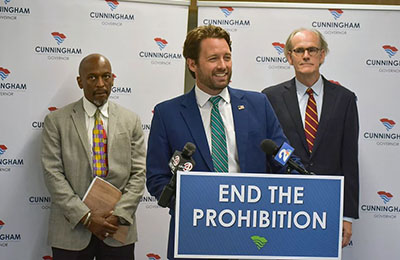
The War on Drugs Has Been ‘an Absolute Failure of the Highest Order’: Q&A With Pennsylvania Lt. Gov. John Fetterman

May 27, 2021 by CBD OIL

Following New York legalizing adult-use cannabis in March, one university is already working to meet the growing demand for qualified and educated professionals in the emerging industry.

University College at Syracuse University, the academic college of continuing education and professional studies, has partnered with Green Flower, a cannabis education association, to offer four programs where individuals can receive non-credit certificates in Cannabis Education.

The four programs are: Healthcare and Medicine, Cannabis Law and Policy, The Business of Cannabis, and Cannabis Agriculture and Horticulture. Each course is six months and includes three eight-week online classes.

Individuals do not have to be a student at Syracuse to enroll in the course. University College Dean Michael Frasciello said the university expects the primary student population to be individuals already in the industry looking to upskill and further educate themselves or people looking to enter the industry. However, he suspects that more university students will show interest in the programs over time as the cannabis industry continues to expand.

Frasciello gives a general overview of each program:

The Cannabis Law and Policy program will cover business practices, U.S. Food and Drug Administration (FDA) regulation, future opportunities in related career fields, intellectual property, social equity, labor law, environmental law and consumer law, including advertising, labeling and packaging, he said.

“What we expect that we’ll see interest in this program from lawyers who are practicing but want to build expertise in this area within their practice,” he said. “Certainly, paralegals, or others in specific areas of the industry like advertising, labeling and packaging, that need to have a [better] grounding in some of the legal and policy aspects of it.”

The Business of Cannabis program will cover a wide range of topics, from business to the fundamentals of cultivation. Some cultivation topics include processing, extraction, manufacturing, lab setup and protocols and distribution. While the business side covers retail, delivery, licensing, business ethics, marketing, human resources, sales, accounting, how to scale business operations, real estate, innovation, investment and more, he said.

“The interesting thing I think about this program is that students create a business portfolio,” he said. “Basically, the portfolio is [students] set up [their] own company and create a very high-level business plan. They will look at risk analysis, operations, project management and lots of case studies.”

The Health and Medicine program is specific to understanding medical cannabis properties, he said. The course will cover human physiology, health care ethics and law, the use of cannabis in health care practices for practitioners and more. 

“Similar to where the business program has the portfolio, in this program, students [will be] partnered with integrated medical centers in the areas where they’re located or facilities to learn more about dosing, titration, administration—sort of drug interactions,” he said. “So, it [covers] some interactions that [they may] need to be aware of from a pharmacological perspective.”

The Agriculture and Horticulture program is the most “straightforward” of the four programs, he said. 

Students run through how to engage in production effectively and sustainably, which includes management cultivation as well as statutory and administrative laws.

Similar to the other programs, Agriculture and Horticulture is also project-based, and students will be required to do case studies specific to their state on local jurisdiction for cultivation, he said.

“There is a chemistry or scientific component to the program [as well],” he said. “Students will cover plant chemistry, disease and threats, techniques and processes for harvesting and drying, trimming and processing, storage, and there’s a module on industrial hemp again. So, we are trying to attend to all of the opportunities within the industry.”

Frasciello added, “Our decision to make this a non-credit as opposed to a credit program is that the non-credit program allows us to customize better [the program] to meet workforce demand. When you attach a credit to something, there’s a lot of governance on the backend that has to come into play, and we felt that with the non-credit certificate, we could be more agile and responsive to the demand and interest as it increases.”

Essentially, the non-credit aspect gives the university the freedom to make changes to the curriculum as the industry evolves.

“There were some folks on my team that had the foresight to identify that the cannabis industry is one of the fastest-growing industries in the country,” he said. “Then we determined that we probably should be moving into space with a continuing education program, which is where Green Flower came in.”

Green Flower faculty members with years of experience in different aspects of the cannabis industry designed and developed the curriculum. The university worked with them to ensure that the curriculum aligned with the “tenets of rigor and excellence” that the university is known for in the online space, Frasciello said.

Professional instructors from Green Flower who are currently in the industry will be teaching the curriculum, which is essential to the university, as these individuals can teach from experience. 

While the university was working with Green Flower last fall to get the curriculum approved, the state began to send strong signals that legalization would likely happen in the spring, Frasciello said. “It just aligned really nicely that we were able to get everything approved within the university through our governance process, and then the state announced [legalization],” he said. 

Enrollment is currently open and all courses begin on June 28. Ever since the university released its first press release about it in April, the response has been great, he said. About half a dozen individuals have enrolled in the program and roughly 10 to 14 have inquired about it. 

Designing a program like this to educate individuals on the cannabis industry and prepare them for jobs in the field is essential, Frasciello said, especially as New York and neighboring states move to legalize cannabis. 

“Our mission here is to prepare individuals for success in whatever industry that they’re currently in or the industry or career that they want to move into—that’s our whole purpose here,” he said. “So, it was important for us to move into this opportunity because we want to be able to ensure that there are individuals in the industry who are informed, smart, capable, responsible and good practitioners.” 

Filed Under: Cannabis News

Can high CBD strains be identified by appearance alone?

May 27, 2021 by CBD OIL

It is known that leaf width and length can be used to determine if a strain is dominating Sativa or Indica. That being said, general wisdom assumes that looks can be deceptive when trying to determine certain characteristics of cannabis strains. But are they?

A groundbreaking study by the American Society for Horticultural Science in February 2021 found that various morphological traits were highly correlated with high cannabidiol (CBD) and tetrahydrocannabinol (THC) strains. In the study, morphological traits in 21 unique varieties were monitored at three stages: vegetative, flowering, harvest and inflorescence.

The study found a positive correlation between high THC and leaf width / length ratio in the 21 strains, while high levels of CBD correlated positively with the number of tines on the central package insert, the number of package inserts, and the average length of the central package insert [1].

“The traits that were positively correlated with THC were all negatively correlated with CBD, with the absolute values ​​of the correlations being similar and vice versa,” the study said [1]. What does it all mean?

The researchers have another tool to potentially identify the CBD / THC concentrations in strains prior to an in-depth laboratory analysis. However, it is unclear how this will help the average consumer.

References:

  1. Jin, Dan, Philippe Henry, Jacqueline Shan, and Jie Chen. “Identification of Phenotypic Traits in Three Chemotype Categories in the Cannabis Genus”. HortScience horts 56.4 (2021): 481-490. . Network. May 13th. 2021.

Photo courtesy of Unsplash

Filed Under: CBD Health

What we need to learn about CBG

May 27, 2021 by CBD OIL

Medical cannabis is now legal in 36 states and South Dakota bet on joining in July the number will be 37 and count. As a result, cannabinoids as the basis of cannabis as a medicine are receiving increasing attention. Tetrahydrocannabinol (THC) and cannabidiol (CBD) have long been the focus. Now scientists are paying more attention to lesser-known cannabinoids, and cannabigerol (CBG) is now to be in the spotlight.

A recent study published in Journal of Pharmacology and Experimental Therapeutics highlighted some important things we need to learn about CBG in the context of its therapeutic potential. [1]

Below is a breakdown of the same.

How does CBG come about?

CBGA, the acidic form of CBG, is a precursor molecule for most cannabinoids. As a result, it is found in tiny amounts in raw cannabis.

Olivetolic acid and geranyl pyrophosphate normally form cannabigerolic acid (CBGA). Decarboxylation (when exposed to heat) converts CBGA into CBG.

How does CBG work?

The study found that CBG has close similarities to THC and CBD in its interaction with the endocannabinoid receptors. However, it has unique interactions with serotonin and adrenergic receptors. [1]

CBG acts similarly to Δ9-THC on the cannabinoid receptors (CB1 & CB2). However, it shows an affinity that is 5-27 times lower at both receptors. A Human Cell Culture Study showed negligible activity at both receptors. [2] Therefore, more in vivo research is needed to elucidate the true interaction of CBG with these receptors.

CBG’s activity on TRP channels compare with that of CBD, but with a slight difference in affinity. [3] These are TRPA1, TRPV1 and TRPV2. TRPV3, TRPV4 and TRPM8.

What is the therapeutic significance of CBG?

This is the whole point, and it appears that CBG has great promise in this area. The researchers highlighted four potential benefits of CBG that require further study.

  1. Neuroprotection and neuromodulation that can be used to reduce the severity of neurological conditions including Parkinson’s and Huntington’s diseases.
  2. A therapeutic agent for GI diseases such as colon cancer and colitis. This has been demonstrated in mouse models.
  3. Play a potential role in multifactorial pharmacotherapy for the components of metabolic syndrome
  4. Antibacterial activity against antibiotic-resistant strains such as Staph aureus

CBG shows promise as a therapeutic molecule and more research is needed to determine its safety and effectiveness.

Image source

https://commons.wikimedia.org/wiki/File:Cannabigerol.png

References

1. Rahul Nachnani et al. (2021). Potential clinical applications of CBG. Journal of Pharmacology and Experimental Therapeutics. 376 (2), pp. 204-212

2. Granja, AG et al. (2012). A cannabis olquinone alleviates neuroinflammation in a chronic model of multiple sclerosis. Journal of Neuroimmune Pharmacology: the official journal of the Society on NeuroImmune Pharmacology, 7th(4), 1002-1016.

3. Muller C, et al. (2019). Cannabinoid Ligands Targeting TRP Channels. Front Mol Neurosci 11:48.

Filed Under: CBD Health

Challenges with Process Scale Up in Cannabis/Hemp Extraction

May 27, 2021 by CBD OIL

What makes scaling up your process so difficult?

There are many factors that can lead to the challenges people face when scaling up their processes. These challenges are not unique to the cannabis/hemp industry, but they are exacerbated by the consequences generated from decades of Reefer Madness. In my time operating in the cannabis/hemp space, 15+ years, I have seen established equipment vendors and sellers of laboratory supplies, like Sigma-Aldrich (now Millipore-Sigma), Fisher-Scientific, Cerilliant, Agilent, and others, go from reporting individuals inquiring about certified reference materials to setting up entire divisions of their companies to service the needs of the industry. Progress. But we are still a fledgling marketplace facing many challenges. Let’s look at a few specific to process scale up.

Darwin Millard will deliver a presentation on this topic during the Cannabis Extraction Virtual Conference on June 29. Click here to learn more.Equipment Availability: Lack of available equipment at larger and larger process scales can severely impact project timelines. Making not only equipment acquisition difficult, but also limiting the number of reputable equipment manufacturers you can work with.

Non-Linear Expansion: NEVER assume your process scales linearly. Perhaps one of the most avoidable mistakes during process scale up. You will quickly find that for many processes you cannot just put in a larger unit and expect a proportional increase in output. This is because as process equipment increases so to must utilities and other supporting infrastructure, but not only that, process vessel geometry, proportions, and design are contributing factors to process efficiency as your scale of operations increases.

Hazardous Material Quantities: Just as important to the process as the equipment are the solvents and reagents used. As your scale of operations increases so does your demand and production of hazardous materials; solvents including carbon dioxide (CO2), ethanol, and liquid petroleum gases (LPG) like Butane and Propane are obvious hazards, but so too are the refrigerants used in the chillers, fuels used to power generators, steam created to heat critical systems, and effluents and wastewater discharged from the process and supporting systems. Not every municipality wants thousands of gallons of flammable substances and hazardous waste being generated in their backyard…

Contractor/Vendor Misrepresentation: Finding out in the middle of you project that your contractor or equipment vendor has never set up a system at this scale before is never a good feeling. Unfortunately, contractor and vendor misrepresentation of qualifications is a common occurrence in the cannabis/hemp space.

If all this was not bad enough, all too often the consequences of improper planning and execution are not felt until your project is delayed or jeopardized due to misallocation of funds or undercapitalization. This is especially true when scaling up your production capacity. Now let’s look at some ways to avoid these mistakes.

The Rule of 10

Construction drawings for a piece of process equipment.

When scaling up your process, NEVER assume that a simple linear expansion of your process train will be sufficient. It is often the case that process scale up is non-linear. Using the Rule of 10 is one way of scaling up your process through a stepwise iterative approach. The Rule of 10 is best explained through an example: Say you are performing a bench-top extraction of a few grams and want to scale that up to a few thousand kilograms. Before jumping all the way to your final process scale, start by taking a smaller jump and only increase your bench-top process by a factor of 10 at a time. So, if you were happy and confident with your results at the tens of grams scale, perform the same process at the hundreds of grams scale, then the thousands of grams scale, tens of kilograms scale, and so forth until you have validated your process at the scale of operations you want to achieve. By using the Rule of 10 you can be assured that your process will achieve the same yields/results at larger and larger scales of operation.

Scaling up your process through an iterative approach allows you to identify process issues that otherwise would not have been identified. These can include (but by no means should be considered an exhaustive list) improper heat transfer as process vessels increase in size, the inability to maintain process parameters due to inadequately sized utilities and/or supporting infrastructure, and lower yields than expected even though previous iterations were successful. However, this type of approach can be expensive, especially when considering custom process equipment, and not every processor in the cannabis/hemp space is going to be in the position to use tools like the Rule of 10 and instead must rely on claims made by the equipment vendor or manufacture when scaling up their process.

The Cannabis/Hemp Specific Process Equipment Trap

How many times have you heard this one before: “We have a piece of process equipment tailor-made to perform X,Y,Z task.”? If you have been around as long as I have in the cannabis/hemp space, probably quite a few times. A huge red flag when considering equipment for your expansion project!

Unless the equipment manufacturer is directly working with cannabis/hemp raw materials, or with partners who process these items, during product development, there is no way they could have verified the equipment will work for its purported use.

GMP compliant phytocannabinoid processing facility underconstruction.

A good example of this are ethanol evaporation systems. Most manufacturers of evaporators do not work with the volumes of ethanol they claim their systems can recover. So how did they come up with the evaporation rate? Short answer – Thermodynamics, Heat Transfer, and Fluid Mechanics. They modeled it. This much surface area, plus this much heat/energy, with this much pressure (or lack thereof), using this type of fluid, moving through this type of material, at this rate of speed, gets you a 1000-gal/hr evaporator or some other theoretical value. But what is the real rate once an ethanol and cannabis/hemp solution is running through the system?

For a straight ethanol system, the theoretical models and experimental models are pretty similar – namely because humans like alcohol – extensive real-world data for ethanol systems exist for reference in designing ethanol evaporators (more accurately described as distillation systems, i.e. stills). The same cannot be said for ethanol and cannabis/hemp extract systems. While it is true that many botanical and ethanol systems have been modeled, both theoretically and experimentally, due to prohibition, data for cannabis/hemp and ethanol systems are lacking and the data that do exist are primarily limited to bench-top and laboratory scale scenarios.

So, will that 1000-gal/hr evaporator hit 1000-gal/hr once it is running under load? That’s the real question and why utilizing equipment with established performance qualifications is critical to a successful process scale up when having to rely on the claims of a vendor or equipment manufacturer. Except this is yet another “catch 22”, since the installation, operational, and performance qualification process is an expensive endeavor only a few equipment manufacturers servicing the cannabis/hemp market have done. I am not saying there aren’t any reputable equipment vendors out there; there are, but always ask for data validating their claims and perform a vendor qualification before you drop seven figures on a piece of process equipment on the word of a salesperson.

Important Takeaways

Improper design and insufficient data regarding process efficiencies on larger and larger scales of manufacturing can lead to costly mistakes which can prevent projects from ever getting off the ground.

Each aspect of the manufacturing process must be considered individually when scaling your process train because each element will contribute to the system’s output, either in a limiting or expansive capacity.

I go further into this topic in my presentation: Challenges with Process Scale Up in the Cannabis/Hemp Industry, later this month during Cannabis Industry Journal’s Extraction Virtual Conference on June 29th, 2021. Here I will provide real-world examples of the consequences of improper process scale up and the significance of equipment specifications, certifications, and inspections, and the importance of vendor qualifications and the true cost of improper design specifications. I hope to see you all there.

Until then. Live long and process.

Filed Under: Cannabis News

HUB International Announces New Cannabis Specialty Leader

May 27, 2021 by CBD OIL

HUB International, a leading insurance brokerage serving the cannabis industry, just announced today their new U.S. cannabis specialty leader. Bradley Rutt, senior vice president at HUB and Cannabis Industry Journal contributor, will now take the lead on cannabis insurance for the brokerage.

Bradley Rutt, senior vice president and U.S. cannabis specialty leader at HUB International

Rutt will work alongside Jay Virdi, another frequent CIJ contributor and chief sales officer of cannabis specialty at HUB to support the practice strategy on a national level. Rutt’s role will put him in charge of expanding HUB’s growth in the cannabis space as well as “enhancing cannabis insurance solutions and risk services, further developing cutting-edge resources for clients to support their needs, and attracting and retaining talent to deepen knowledge and expertise to help cannabis clients thrive.”

Rutt’s role as senior vice president has been to specialize in cannabis executive liability, working with public and private management services organizations to develop insurance and risk management programs. “Brad is an industry leader, and his diverse experience and deep understanding of the cannabis industry to insure its unique risks will play a critical role in continuing to strengthen our practice,” says Jay Virdi. “More importantly, we continue our commitment as trusted advisors to our clients to provide them with relevant support and solutions to help them continue to grow.”

Filed Under: Cannabis News

HUB International Announces Bradley Rutt as U.S. Cannabis Specialty Leader

May 27, 2021 by CBD OIL

Courtesy of Papa & Barkley | papaandbarkley.com

Papa & Barkley is a cannabis and CBD wellness products company based in Eureka, Calif. 

When Evelyn Wang was named the CEO of California-based cannabis and CBD wellness company Papa & Barkley in January, she joined the space after 15-plus years of senior management experience in the beauty sector and a lifetime of cultural heritage.

Courtesy of Papa & Barkley | papaandbarkley.com

Evelyn Wang was named the CEO of Papa & Barkley in late January, following 15-plus years in the beauty space. 

Born in the subtropical Taiwan capital city of Taipei, Wang emigrated to Vancouver, British Columbia, Canada, when she was 18 months old. She earned her Master of Business Administration from the University of Southern California and became a U.S. citizen nearly two decades ago.

Wang’s senior management experience came while leading premier beauty brands at L’Oréal and Estée Lauder. Most recently, she served as chief marketing officer for Milani Cosmetics, a leading international color cosmetics brand. Her crossover from beauty to cannabis is pillared by her expertise in building brands as well as her fundamental principles.

With a personal commitment to plant-based medicine, wellness and sustainability, Wang aligns with Papa & Barkley’s core values, said Adam Grossman, who founded the company five years ago after he formulated a homemade cannabis balm with a crockpot in his kitchen that eased his father’s back pain that had left him bedridden. That balm, in conjunction with other therapies, got “Papa” off hospice and able to return home, he said. “Barkley” is the family’s loyal pit bull.

“The board and I are confident that Evelyn is the right leader to build on our momentum and brand, adding depth to our stellar executive team,” Grossman said in a press release announcing Wang’s appointment to CEO, a position Grossman previously held. Papa & Barkley offers THC products in California and ships CBD products to all 50 states.

Here, Wang talks business in her transition to the cannabis and CBD space, as well as her cultural background as it relates to the space in correlation with Asian American and Pacific Islanders (AAPI) Heritage Month.  

Editor’s Note: This interview has been edited for style, length and clarity.


Tony Lange: What attracted you to Papa & Barkley to take on the CEO role?

Evelyn Wang: I’ve always been very interested in things like plant medicine, wellness and health, and have always personally aligned with those different types of industries. Particularly with cannabis, it was something that I had thought was interesting for a while and thought how amazing it would be to enter an industry that you can help shape that’s really still in its nascency. So, when I was recruited for Papa & Barkley, I really learned about the brand story and how Adam Grossman, our founder, created this product for his own father. Adam was desperate to find something that could help his father get out of hospice and turned to cannabis as something that could really help him. I just felt that was such a relatable story. It’s so authentic. It speaks to so much that I find resonates with me. He was motivated to find something to help someone and then ending up finding it in cannabis. Just knowing that there’s so many other solutions that we can still help with, I think that’s a great mission to be a part of.

And then just learning everything about Papa & Barkley; this is a company that goes through extraordinary lengths to ensure our product quality. We actually make things more expensive just to make sure that we’re really delivering to consumers a full-spectrum, full-plant, solventless product that is truly effective. So, all of that, plus the idea that it was this company that had so much incredible runway to scale and grow—those are all things that I definitely cannot say no to. 

TL: After more than 15 years leading beauty and cosmetic brands, were there any other specific reasons why you decided to switch things up and join the cannabis and CBD space?

EW: What’s interesting is there’s a lot of crossover between beauty and cannabis. And there actually are quite a lot of people who have this twin beauty, cannabis background. I think it’s because both industries attract people who are super passionate, creative and able to kind of accept and deal with things that are not the norm. They like things that are out of the box. I would say that was my perception from the outside, and that’s definitely true now. I actually love how this is the industry for individuals who have a lot of passion for what they do and are not necessarily people who walk a very predetermined path. They’re all people who have very unique and different backgrounds. So, I love being in that type of environment.

TL: Why do you personally have a deep and personal commitment to plant-based medicine, wellness and sustainability?

EW: These are, I think, core issues of our time. And I think they’re all connected. I think that we have a health crisis in the country. I really believe that. And I think that so often we’re taught to look at very symptomatic types of solutions, very pharmaceutical type of solutions, and obviously we need those things. But I do think there’s so much room for just understanding health from a holistic level, understanding how everything works together as a system. And, to me, plant-based medicine is a huge part of that. I think you truly are what you eat; you truly are what you consume.

TL: Has your experience as the chief marketing officer of Milani or senior management experience leading beauty brands like L’Oréal or Estée Lauder helped you in your current position at Papa & Barkley?

EW: Yes, definitely. Beauty is very much about telling a great story. It’s telling a great story, telling it visually, showing the product efficacy. Those are all things that I think are so applicable to the product we’re selling at Papa & Barkley. Even Adam’s original story is a testimonial story about how cannabis worked as a solution for his father. So, it’s very much a category where how you talk about a product is so important.

And then I think that beauty is a category that really has learned how to harness the power of social media influencers. I think that is something that we can plug into in the cannabis space. Because, again, if you think about it, it’s about building a community of people who are so passionate about your product that they want to tell others about it. And then I also see a lot of things I have to learn, for sure. I see a lot of ways that the background I have can hopefully bring a lot of best practices to Papa & Barkley.

TL: Since becoming CEO in January, what have you been primarily focused on in terms of helping Papa & Barkley move forward as a company?

EW: I think that product innovation is always the lifeblood of any company. So, we have been spending a lot of time on getting our product innovation ready, not just for 2021, but into 2022 and even starting to think about ideas for 2023. That’s a big one where we’re really trying to double down on our innovation and make sure we have a very robust roadmap, not only for our California market but also nationally. We see a really big opportunity for us, the brand, to expand our national direct-to-consumer e-commerce business.

And then the other thing is that we also have the products in our national seat, which are the same quality, the same sourcing, the same testing that we do company wide. And we can use our B2C [business-to-consumer] to speak to a consumer in New York, in Florida, in Iowa. We can really start to already build out the Papa & Barkley brand using our national CBD products even ahead of federal legalization of cannabis products as a whole. We’re definitely doubling down efforts there because we think the opportunity is feeling the brand into a nationally recognized wellness brand powered by cannabis.

TL: I saw that you earned your MBA from USC—are you originally from Southern California?

EW: No, I was actually born in Taipei, Taiwan. And I grew up in Vancouver, Canada. So, I am American, but I became an American almost 20 years ago. I kind of have been all over the map a little bit.

TL: Have you personally or indirectly been impacted by factors associated with the Stop Asian Hate movement in 2021?

EW: Yes. First, it’s been a weird time that has been at times personally frightening, saddening, just alarming in terms of actually having to fear for your own personal safety in public spaces. That is something that was a heightened thing for myself personally in 2021, you know, having a sense of like, ‘Should I be taking extra safety precautions in certain situations?’ On that point, it impacted me in that way. It definitely also made me think more reflectively as well in terms of, ‘What is my role in this?’ In my position, what are the steps that I should be taking? What do I have to do versus what do I feel I should do? Because you feel this sense of responsibility that you have to be a voice and sometimes that’s tiring. Sometimes, you don’t want to have to represent. But regardless of whether you want to or not, you’re a face that people want to know, ‘Hey, what are you thinking about this? What is your stance on this?’ So, yeah, I would say from just a personal safety perspective I have been impacted. Also, I’ve reflected on how I can communicate my personal views on this in a way that can help.

TL: What’s your perspective on the importance of increasing AAPI diversity in the cannabis and CBD space?

EW: I’ve always had this feeling, regardless of being in cannabis or not—I think diversity is something that we need in every category, every industry. If you have a category, if you are trying to appeal to a diverse consumer base in any type of intelligent way, I think you need to have a diverse base of people inside your company internally to be able to connect with that consumer. If you speak to any cannabis or CBD dispensary owner these days, they too will tell you that the consumers who are coming into dispensaries are changing. There are many different types of demographics that you might not have seen even three to five years ago that are now in dispensaries.

So, cannabis is really starting to appeal to a broad base of people. I think that is even more why we need to have diversity in this industry. There’s so much room for innovation in the industry still. It’s still one thing that attracted me to the industry is that it’s very young. We’re only at the tip of the iceberg in terms of the type of innovation we can bring. So, the more different ideas we have, the better for the industry.

In general, I would say, yes, most people from AAPI backgrounds have probably come from a more culturally conservative background. There is probably more cultural hesitancy around an industry that’s still not federally legalized. But I think the more people who can enter the industry and sort of be an ambassador back into their communities, the better for de-stigmatizing the industry.

TL: What’s your perception on cannabis and how it relates to either your heritage or the AAPI community in general?

EW: It’s been so interesting for me to actually delve into the history of cannabis myself and learn and discover that cannabis, if you want to look at it historically, has actually been part of Asian culture for thousands of years. It was a major crop grown in China in like 4,000 B.C. There’s definitely a historical connection there for sure.

Regardless of that, it’s not about how far back in your culture cannabis goes. You don’t have to be able to say ‘Oh, my people were part of cannabis thousands of years ago’ to say that you belong in the industry. I think it’s really a sense of being able to just say, ‘Yeah, I’m interested in cannabis and I belong here. I have a stake and I have a voice at the table.’ That’s really how I view it. I think that cannabis can be for everyone. And I definitely think while there is a specific connection for Asians to cannabis, regardless of that, they belong in the industry.

Filed Under: Cannabis News

GrowGeneration Appoints Paul Rutenis as Chief Merchant Officer

May 27, 2021 by CBD OIL

Courtesy of Papa & Barkley | papaandbarkley.com

Papa & Barkley is a cannabis and CBD wellness products company based in Eureka, Calif. 

When Evelyn Wang was named the CEO of California-based cannabis and CBD wellness company Papa & Barkley in January, she joined the space after 15-plus years of senior management experience in the beauty sector and a lifetime of cultural heritage.

Courtesy of Papa & Barkley | papaandbarkley.com

Evelyn Wang was named the CEO of Papa & Barkley in late January, following 15-plus years in the beauty space. 

Born in the subtropical Taiwan capital city of Taipei, Wang emigrated to Vancouver, British Columbia, Canada, when she was 18 months old. She earned her Master of Business Administration from the University of Southern California and became a U.S. citizen nearly two decades ago.

Wang’s senior management experience came while leading premier beauty brands at L’Oréal and Estée Lauder. Most recently, she served as chief marketing officer for Milani Cosmetics, a leading international color cosmetics brand. Her crossover from beauty to cannabis is pillared by her expertise in building brands as well as her fundamental principles.

With a personal commitment to plant-based medicine, wellness and sustainability, Wang aligns with Papa & Barkley’s core values, said Adam Grossman, who founded the company five years ago after he formulated a homemade cannabis balm with a crockpot in his kitchen that eased his father’s back pain that had left him bedridden. That balm, in conjunction with other therapies, got “Papa” off hospice and able to return home, he said. “Barkley” is the family’s loyal pit bull.

“The board and I are confident that Evelyn is the right leader to build on our momentum and brand, adding depth to our stellar executive team,” Grossman said in a press release announcing Wang’s appointment to CEO, a position Grossman previously held. Papa & Barkley offers THC products in California and ships CBD products to all 50 states.

Here, Wang talks business in her transition to the cannabis and CBD space, as well as her cultural background as it relates to the space in correlation with Asian American and Pacific Islanders (AAPI) Heritage Month.  

Editor’s Note: This interview has been edited for style, length and clarity.


Tony Lange: What attracted you to Papa & Barkley to take on the CEO role?

Evelyn Wang: I’ve always been very interested in things like plant medicine, wellness and health, and have always personally aligned with those different types of industries. Particularly with cannabis, it was something that I had thought was interesting for a while and thought how amazing it would be to enter an industry that you can help shape that’s really still in its nascency. So, when I was recruited for Papa & Barkley, I really learned about the brand story and how Adam Grossman, our founder, created this product for his own father. Adam was desperate to find something that could help his father get out of hospice and turned to cannabis as something that could really help him. I just felt that was such a relatable story. It’s so authentic. It speaks to so much that I find resonates with me. He was motivated to find something to help someone and then ending up finding it in cannabis. Just knowing that there’s so many other solutions that we can still help with, I think that’s a great mission to be a part of.

And then just learning everything about Papa & Barkley; this is a company that goes through extraordinary lengths to ensure our product quality. We actually make things more expensive just to make sure that we’re really delivering to consumers a full-spectrum, full-plant, solventless product that is truly effective. So, all of that, plus the idea that it was this company that had so much incredible runway to scale and grow—those are all things that I definitely cannot say no to. 

TL: After more than 15 years leading beauty and cosmetic brands, were there any other specific reasons why you decided to switch things up and join the cannabis and CBD space?

EW: What’s interesting is there’s a lot of crossover between beauty and cannabis. And there actually are quite a lot of people who have this twin beauty, cannabis background. I think it’s because both industries attract people who are super passionate, creative and able to kind of accept and deal with things that are not the norm. They like things that are out of the box. I would say that was my perception from the outside, and that’s definitely true now. I actually love how this is the industry for individuals who have a lot of passion for what they do and are not necessarily people who walk a very predetermined path. They’re all people who have very unique and different backgrounds. So, I love being in that type of environment.

TL: Why do you personally have a deep and personal commitment to plant-based medicine, wellness and sustainability?

EW: These are, I think, core issues of our time. And I think they’re all connected. I think that we have a health crisis in the country. I really believe that. And I think that so often we’re taught to look at very symptomatic types of solutions, very pharmaceutical type of solutions, and obviously we need those things. But I do think there’s so much room for just understanding health from a holistic level, understanding how everything works together as a system. And, to me, plant-based medicine is a huge part of that. I think you truly are what you eat; you truly are what you consume.

TL: Has your experience as the chief marketing officer of Milani or senior management experience leading beauty brands like L’Oréal or Estée Lauder helped you in your current position at Papa & Barkley?

EW: Yes, definitely. Beauty is very much about telling a great story. It’s telling a great story, telling it visually, showing the product efficacy. Those are all things that I think are so applicable to the product we’re selling at Papa & Barkley. Even Adam’s original story is a testimonial story about how cannabis worked as a solution for his father. So, it’s very much a category where how you talk about a product is so important.

And then I think that beauty is a category that really has learned how to harness the power of social media influencers. I think that is something that we can plug into in the cannabis space. Because, again, if you think about it, it’s about building a community of people who are so passionate about your product that they want to tell others about it. And then I also see a lot of things I have to learn, for sure. I see a lot of ways that the background I have can hopefully bring a lot of best practices to Papa & Barkley.

TL: Since becoming CEO in January, what have you been primarily focused on in terms of helping Papa & Barkley move forward as a company?

EW: I think that product innovation is always the lifeblood of any company. So, we have been spending a lot of time on getting our product innovation ready, not just for 2021, but into 2022 and even starting to think about ideas for 2023. That’s a big one where we’re really trying to double down on our innovation and make sure we have a very robust roadmap, not only for our California market but also nationally. We see a really big opportunity for us, the brand, to expand our national direct-to-consumer e-commerce business.

And then the other thing is that we also have the products in our national seat, which are the same quality, the same sourcing, the same testing that we do company wide. And we can use our B2C [business-to-consumer] to speak to a consumer in New York, in Florida, in Iowa. We can really start to already build out the Papa & Barkley brand using our national CBD products even ahead of federal legalization of cannabis products as a whole. We’re definitely doubling down efforts there because we think the opportunity is feeling the brand into a nationally recognized wellness brand powered by cannabis.

TL: I saw that you earned your MBA from USC—are you originally from Southern California?

EW: No, I was actually born in Taipei, Taiwan. And I grew up in Vancouver, Canada. So, I am American, but I became an American almost 20 years ago. I kind of have been all over the map a little bit.

TL: Have you personally or indirectly been impacted by factors associated with the Stop Asian Hate movement in 2021?

EW: Yes. First, it’s been a weird time that has been at times personally frightening, saddening, just alarming in terms of actually having to fear for your own personal safety in public spaces. That is something that was a heightened thing for myself personally in 2021, you know, having a sense of like, ‘Should I be taking extra safety precautions in certain situations?’ On that point, it impacted me in that way. It definitely also made me think more reflectively as well in terms of, ‘What is my role in this?’ In my position, what are the steps that I should be taking? What do I have to do versus what do I feel I should do? Because you feel this sense of responsibility that you have to be a voice and sometimes that’s tiring. Sometimes, you don’t want to have to represent. But regardless of whether you want to or not, you’re a face that people want to know, ‘Hey, what are you thinking about this? What is your stance on this?’ So, yeah, I would say from just a personal safety perspective I have been impacted. Also, I’ve reflected on how I can communicate my personal views on this in a way that can help.

TL: What’s your perspective on the importance of increasing AAPI diversity in the cannabis and CBD space?

EW: I’ve always had this feeling, regardless of being in cannabis or not—I think diversity is something that we need in every category, every industry. If you have a category, if you are trying to appeal to a diverse consumer base in any type of intelligent way, I think you need to have a diverse base of people inside your company internally to be able to connect with that consumer. If you speak to any cannabis or CBD dispensary owner these days, they too will tell you that the consumers who are coming into dispensaries are changing. There are many different types of demographics that you might not have seen even three to five years ago that are now in dispensaries.

So, cannabis is really starting to appeal to a broad base of people. I think that is even more why we need to have diversity in this industry. There’s so much room for innovation in the industry still. It’s still one thing that attracted me to the industry is that it’s very young. We’re only at the tip of the iceberg in terms of the type of innovation we can bring. So, the more different ideas we have, the better for the industry.

In general, I would say, yes, most people from AAPI backgrounds have probably come from a more culturally conservative background. There is probably more cultural hesitancy around an industry that’s still not federally legalized. But I think the more people who can enter the industry and sort of be an ambassador back into their communities, the better for de-stigmatizing the industry.

TL: What’s your perception on cannabis and how it relates to either your heritage or the AAPI community in general?

EW: It’s been so interesting for me to actually delve into the history of cannabis myself and learn and discover that cannabis, if you want to look at it historically, has actually been part of Asian culture for thousands of years. It was a major crop grown in China in like 4,000 B.C. There’s definitely a historical connection there for sure.

Regardless of that, it’s not about how far back in your culture cannabis goes. You don’t have to be able to say ‘Oh, my people were part of cannabis thousands of years ago’ to say that you belong in the industry. I think it’s really a sense of being able to just say, ‘Yeah, I’m interested in cannabis and I belong here. I have a stake and I have a voice at the table.’ That’s really how I view it. I think that cannabis can be for everyone. And I definitely think while there is a specific connection for Asians to cannabis, regardless of that, they belong in the industry.

Filed Under: Cannabis News

Syracuse’s University College Launches Online Cannabis Education Programs to Meet Demand for Qualified Workers in the Industry

May 26, 2021 by CBD OIL

Courtesy of Papa & Barkley | papaandbarkley.com

Papa & Barkley is a cannabis and CBD wellness products company based in Eureka, Calif. 

When Evelyn Wang was named the CEO of California-based cannabis and CBD wellness company Papa & Barkley in January, she joined the space after 15-plus years of senior management experience in the beauty sector and a lifetime of cultural heritage.

Courtesy of Papa & Barkley | papaandbarkley.com

Evelyn Wang was named the CEO of Papa & Barkley in late January, following 15-plus years in the beauty space. 

Born in the subtropical Taiwan capital city of Taipei, Wang emigrated to Vancouver, British Columbia, Canada, when she was 18 months old. She earned her Master of Business Administration from the University of Southern California and became a U.S. citizen nearly two decades ago.

Wang’s senior management experience came while leading premier beauty brands at L’Oréal and Estée Lauder. Most recently, she served as chief marketing officer for Milani Cosmetics, a leading international color cosmetics brand. Her crossover from beauty to cannabis is pillared by her expertise in building brands as well as her fundamental principles.

With a personal commitment to plant-based medicine, wellness and sustainability, Wang aligns with Papa & Barkley’s core values, said Adam Grossman, who founded the company five years ago after he formulated a homemade cannabis balm with a crockpot in his kitchen that eased his father’s back pain that had left him bedridden. That balm, in conjunction with other therapies, got “Papa” off hospice and able to return home, he said. “Barkley” is the family’s loyal pit bull.

“The board and I are confident that Evelyn is the right leader to build on our momentum and brand, adding depth to our stellar executive team,” Grossman said in a press release announcing Wang’s appointment to CEO, a position Grossman previously held. Papa & Barkley offers THC products in California and ships CBD products to all 50 states.

Here, Wang talks business in her transition to the cannabis and CBD space, as well as her cultural background as it relates to the space in correlation with Asian American and Pacific Islanders (AAPI) Heritage Month.  

Editor’s Note: This interview has been edited for style, length and clarity.


Tony Lange: What attracted you to Papa & Barkley to take on the CEO role?

Evelyn Wang: I’ve always been very interested in things like plant medicine, wellness and health, and have always personally aligned with those different types of industries. Particularly with cannabis, it was something that I had thought was interesting for a while and thought how amazing it would be to enter an industry that you can help shape that’s really still in its nascency. So, when I was recruited for Papa & Barkley, I really learned about the brand story and how Adam Grossman, our founder, created this product for his own father. Adam was desperate to find something that could help his father get out of hospice and turned to cannabis as something that could really help him. I just felt that was such a relatable story. It’s so authentic. It speaks to so much that I find resonates with me. He was motivated to find something to help someone and then ending up finding it in cannabis. Just knowing that there’s so many other solutions that we can still help with, I think that’s a great mission to be a part of.

And then just learning everything about Papa & Barkley; this is a company that goes through extraordinary lengths to ensure our product quality. We actually make things more expensive just to make sure that we’re really delivering to consumers a full-spectrum, full-plant, solventless product that is truly effective. So, all of that, plus the idea that it was this company that had so much incredible runway to scale and grow—those are all things that I definitely cannot say no to. 

TL: After more than 15 years leading beauty and cosmetic brands, were there any other specific reasons why you decided to switch things up and join the cannabis and CBD space?

EW: What’s interesting is there’s a lot of crossover between beauty and cannabis. And there actually are quite a lot of people who have this twin beauty, cannabis background. I think it’s because both industries attract people who are super passionate, creative and able to kind of accept and deal with things that are not the norm. They like things that are out of the box. I would say that was my perception from the outside, and that’s definitely true now. I actually love how this is the industry for individuals who have a lot of passion for what they do and are not necessarily people who walk a very predetermined path. They’re all people who have very unique and different backgrounds. So, I love being in that type of environment.

TL: Why do you personally have a deep and personal commitment to plant-based medicine, wellness and sustainability?

EW: These are, I think, core issues of our time. And I think they’re all connected. I think that we have a health crisis in the country. I really believe that. And I think that so often we’re taught to look at very symptomatic types of solutions, very pharmaceutical type of solutions, and obviously we need those things. But I do think there’s so much room for just understanding health from a holistic level, understanding how everything works together as a system. And, to me, plant-based medicine is a huge part of that. I think you truly are what you eat; you truly are what you consume.

TL: Has your experience as the chief marketing officer of Milani or senior management experience leading beauty brands like L’Oréal or Estée Lauder helped you in your current position at Papa & Barkley?

EW: Yes, definitely. Beauty is very much about telling a great story. It’s telling a great story, telling it visually, showing the product efficacy. Those are all things that I think are so applicable to the product we’re selling at Papa & Barkley. Even Adam’s original story is a testimonial story about how cannabis worked as a solution for his father. So, it’s very much a category where how you talk about a product is so important.

And then I think that beauty is a category that really has learned how to harness the power of social media influencers. I think that is something that we can plug into in the cannabis space. Because, again, if you think about it, it’s about building a community of people who are so passionate about your product that they want to tell others about it. And then I also see a lot of things I have to learn, for sure. I see a lot of ways that the background I have can hopefully bring a lot of best practices to Papa & Barkley.

TL: Since becoming CEO in January, what have you been primarily focused on in terms of helping Papa & Barkley move forward as a company?

EW: I think that product innovation is always the lifeblood of any company. So, we have been spending a lot of time on getting our product innovation ready, not just for 2021, but into 2022 and even starting to think about ideas for 2023. That’s a big one where we’re really trying to double down on our innovation and make sure we have a very robust roadmap, not only for our California market but also nationally. We see a really big opportunity for us, the brand, to expand our national direct-to-consumer e-commerce business.

And then the other thing is that we also have the products in our national seat, which are the same quality, the same sourcing, the same testing that we do company wide. And we can use our B2C [business-to-consumer] to speak to a consumer in New York, in Florida, in Iowa. We can really start to already build out the Papa & Barkley brand using our national CBD products even ahead of federal legalization of cannabis products as a whole. We’re definitely doubling down efforts there because we think the opportunity is feeling the brand into a nationally recognized wellness brand powered by cannabis.

TL: I saw that you earned your MBA from USC—are you originally from Southern California?

EW: No, I was actually born in Taipei, Taiwan. And I grew up in Vancouver, Canada. So, I am American, but I became an American almost 20 years ago. I kind of have been all over the map a little bit.

TL: Have you personally or indirectly been impacted by factors associated with the Stop Asian Hate movement in 2021?

EW: Yes. First, it’s been a weird time that has been at times personally frightening, saddening, just alarming in terms of actually having to fear for your own personal safety in public spaces. That is something that was a heightened thing for myself personally in 2021, you know, having a sense of like, ‘Should I be taking extra safety precautions in certain situations?’ On that point, it impacted me in that way. It definitely also made me think more reflectively as well in terms of, ‘What is my role in this?’ In my position, what are the steps that I should be taking? What do I have to do versus what do I feel I should do? Because you feel this sense of responsibility that you have to be a voice and sometimes that’s tiring. Sometimes, you don’t want to have to represent. But regardless of whether you want to or not, you’re a face that people want to know, ‘Hey, what are you thinking about this? What is your stance on this?’ So, yeah, I would say from just a personal safety perspective I have been impacted. Also, I’ve reflected on how I can communicate my personal views on this in a way that can help.

TL: What’s your perspective on the importance of increasing AAPI diversity in the cannabis and CBD space?

EW: I’ve always had this feeling, regardless of being in cannabis or not—I think diversity is something that we need in every category, every industry. If you have a category, if you are trying to appeal to a diverse consumer base in any type of intelligent way, I think you need to have a diverse base of people inside your company internally to be able to connect with that consumer. If you speak to any cannabis or CBD dispensary owner these days, they too will tell you that the consumers who are coming into dispensaries are changing. There are many different types of demographics that you might not have seen even three to five years ago that are now in dispensaries.

So, cannabis is really starting to appeal to a broad base of people. I think that is even more why we need to have diversity in this industry. There’s so much room for innovation in the industry still. It’s still one thing that attracted me to the industry is that it’s very young. We’re only at the tip of the iceberg in terms of the type of innovation we can bring. So, the more different ideas we have, the better for the industry.

In general, I would say, yes, most people from AAPI backgrounds have probably come from a more culturally conservative background. There is probably more cultural hesitancy around an industry that’s still not federally legalized. But I think the more people who can enter the industry and sort of be an ambassador back into their communities, the better for de-stigmatizing the industry.

TL: What’s your perception on cannabis and how it relates to either your heritage or the AAPI community in general?

EW: It’s been so interesting for me to actually delve into the history of cannabis myself and learn and discover that cannabis, if you want to look at it historically, has actually been part of Asian culture for thousands of years. It was a major crop grown in China in like 4,000 B.C. There’s definitely a historical connection there for sure.

Regardless of that, it’s not about how far back in your culture cannabis goes. You don’t have to be able to say ‘Oh, my people were part of cannabis thousands of years ago’ to say that you belong in the industry. I think it’s really a sense of being able to just say, ‘Yeah, I’m interested in cannabis and I belong here. I have a stake and I have a voice at the table.’ That’s really how I view it. I think that cannabis can be for everyone. And I definitely think while there is a specific connection for Asians to cannabis, regardless of that, they belong in the industry.

Filed Under: Cannabis News

Hervé Raises Oversubscribed $3M to Expand its Innovative Cannabis-Infused Edibles Into New Markets and Introduce New Products to its Portfolio

May 26, 2021 by CBD OIL

Courtesy of Papa & Barkley | papaandbarkley.com

Papa & Barkley is a cannabis and CBD wellness products company based in Eureka, Calif. 

When Evelyn Wang was named the CEO of California-based cannabis and CBD wellness company Papa & Barkley in January, she joined the space after 15-plus years of senior management experience in the beauty sector and a lifetime of cultural heritage.

Courtesy of Papa & Barkley | papaandbarkley.com

Evelyn Wang was named the CEO of Papa & Barkley in late January, following 15-plus years in the beauty space. 

Born in the subtropical Taiwan capital city of Taipei, Wang emigrated to Vancouver, British Columbia, Canada, when she was 18 months old. She earned her Master of Business Administration from the University of Southern California and became a U.S. citizen nearly two decades ago.

Wang’s senior management experience came while leading premier beauty brands at L’Oréal and Estée Lauder. Most recently, she served as chief marketing officer for Milani Cosmetics, a leading international color cosmetics brand. Her crossover from beauty to cannabis is pillared by her expertise in building brands as well as her fundamental principles.

With a personal commitment to plant-based medicine, wellness and sustainability, Wang aligns with Papa & Barkley’s core values, said Adam Grossman, who founded the company five years ago after he formulated a homemade cannabis balm with a crockpot in his kitchen that eased his father’s back pain that had left him bedridden. That balm, in conjunction with other therapies, got “Papa” off hospice and able to return home, he said. “Barkley” is the family’s loyal pit bull.

“The board and I are confident that Evelyn is the right leader to build on our momentum and brand, adding depth to our stellar executive team,” Grossman said in a press release announcing Wang’s appointment to CEO, a position Grossman previously held. Papa & Barkley offers THC products in California and ships CBD products to all 50 states.

Here, Wang talks business in her transition to the cannabis and CBD space, as well as her cultural background as it relates to the space in correlation with Asian American and Pacific Islanders (AAPI) Heritage Month.  

Editor’s Note: This interview has been edited for style, length and clarity.


Tony Lange: What attracted you to Papa & Barkley to take on the CEO role?

Evelyn Wang: I’ve always been very interested in things like plant medicine, wellness and health, and have always personally aligned with those different types of industries. Particularly with cannabis, it was something that I had thought was interesting for a while and thought how amazing it would be to enter an industry that you can help shape that’s really still in its nascency. So, when I was recruited for Papa & Barkley, I really learned about the brand story and how Adam Grossman, our founder, created this product for his own father. Adam was desperate to find something that could help his father get out of hospice and turned to cannabis as something that could really help him. I just felt that was such a relatable story. It’s so authentic. It speaks to so much that I find resonates with me. He was motivated to find something to help someone and then ending up finding it in cannabis. Just knowing that there’s so many other solutions that we can still help with, I think that’s a great mission to be a part of.

And then just learning everything about Papa & Barkley; this is a company that goes through extraordinary lengths to ensure our product quality. We actually make things more expensive just to make sure that we’re really delivering to consumers a full-spectrum, full-plant, solventless product that is truly effective. So, all of that, plus the idea that it was this company that had so much incredible runway to scale and grow—those are all things that I definitely cannot say no to. 

TL: After more than 15 years leading beauty and cosmetic brands, were there any other specific reasons why you decided to switch things up and join the cannabis and CBD space?

EW: What’s interesting is there’s a lot of crossover between beauty and cannabis. And there actually are quite a lot of people who have this twin beauty, cannabis background. I think it’s because both industries attract people who are super passionate, creative and able to kind of accept and deal with things that are not the norm. They like things that are out of the box. I would say that was my perception from the outside, and that’s definitely true now. I actually love how this is the industry for individuals who have a lot of passion for what they do and are not necessarily people who walk a very predetermined path. They’re all people who have very unique and different backgrounds. So, I love being in that type of environment.

TL: Why do you personally have a deep and personal commitment to plant-based medicine, wellness and sustainability?

EW: These are, I think, core issues of our time. And I think they’re all connected. I think that we have a health crisis in the country. I really believe that. And I think that so often we’re taught to look at very symptomatic types of solutions, very pharmaceutical type of solutions, and obviously we need those things. But I do think there’s so much room for just understanding health from a holistic level, understanding how everything works together as a system. And, to me, plant-based medicine is a huge part of that. I think you truly are what you eat; you truly are what you consume.

TL: Has your experience as the chief marketing officer of Milani or senior management experience leading beauty brands like L’Oréal or Estée Lauder helped you in your current position at Papa & Barkley?

EW: Yes, definitely. Beauty is very much about telling a great story. It’s telling a great story, telling it visually, showing the product efficacy. Those are all things that I think are so applicable to the product we’re selling at Papa & Barkley. Even Adam’s original story is a testimonial story about how cannabis worked as a solution for his father. So, it’s very much a category where how you talk about a product is so important.

And then I think that beauty is a category that really has learned how to harness the power of social media influencers. I think that is something that we can plug into in the cannabis space. Because, again, if you think about it, it’s about building a community of people who are so passionate about your product that they want to tell others about it. And then I also see a lot of things I have to learn, for sure. I see a lot of ways that the background I have can hopefully bring a lot of best practices to Papa & Barkley.

TL: Since becoming CEO in January, what have you been primarily focused on in terms of helping Papa & Barkley move forward as a company?

EW: I think that product innovation is always the lifeblood of any company. So, we have been spending a lot of time on getting our product innovation ready, not just for 2021, but into 2022 and even starting to think about ideas for 2023. That’s a big one where we’re really trying to double down on our innovation and make sure we have a very robust roadmap, not only for our California market but also nationally. We see a really big opportunity for us, the brand, to expand our national direct-to-consumer e-commerce business.

And then the other thing is that we also have the products in our national seat, which are the same quality, the same sourcing, the same testing that we do company wide. And we can use our B2C [business-to-consumer] to speak to a consumer in New York, in Florida, in Iowa. We can really start to already build out the Papa & Barkley brand using our national CBD products even ahead of federal legalization of cannabis products as a whole. We’re definitely doubling down efforts there because we think the opportunity is feeling the brand into a nationally recognized wellness brand powered by cannabis.

TL: I saw that you earned your MBA from USC—are you originally from Southern California?

EW: No, I was actually born in Taipei, Taiwan. And I grew up in Vancouver, Canada. So, I am American, but I became an American almost 20 years ago. I kind of have been all over the map a little bit.

TL: Have you personally or indirectly been impacted by factors associated with the Stop Asian Hate movement in 2021?

EW: Yes. First, it’s been a weird time that has been at times personally frightening, saddening, just alarming in terms of actually having to fear for your own personal safety in public spaces. That is something that was a heightened thing for myself personally in 2021, you know, having a sense of like, ‘Should I be taking extra safety precautions in certain situations?’ On that point, it impacted me in that way. It definitely also made me think more reflectively as well in terms of, ‘What is my role in this?’ In my position, what are the steps that I should be taking? What do I have to do versus what do I feel I should do? Because you feel this sense of responsibility that you have to be a voice and sometimes that’s tiring. Sometimes, you don’t want to have to represent. But regardless of whether you want to or not, you’re a face that people want to know, ‘Hey, what are you thinking about this? What is your stance on this?’ So, yeah, I would say from just a personal safety perspective I have been impacted. Also, I’ve reflected on how I can communicate my personal views on this in a way that can help.

TL: What’s your perspective on the importance of increasing AAPI diversity in the cannabis and CBD space?

EW: I’ve always had this feeling, regardless of being in cannabis or not—I think diversity is something that we need in every category, every industry. If you have a category, if you are trying to appeal to a diverse consumer base in any type of intelligent way, I think you need to have a diverse base of people inside your company internally to be able to connect with that consumer. If you speak to any cannabis or CBD dispensary owner these days, they too will tell you that the consumers who are coming into dispensaries are changing. There are many different types of demographics that you might not have seen even three to five years ago that are now in dispensaries.

So, cannabis is really starting to appeal to a broad base of people. I think that is even more why we need to have diversity in this industry. There’s so much room for innovation in the industry still. It’s still one thing that attracted me to the industry is that it’s very young. We’re only at the tip of the iceberg in terms of the type of innovation we can bring. So, the more different ideas we have, the better for the industry.

In general, I would say, yes, most people from AAPI backgrounds have probably come from a more culturally conservative background. There is probably more cultural hesitancy around an industry that’s still not federally legalized. But I think the more people who can enter the industry and sort of be an ambassador back into their communities, the better for de-stigmatizing the industry.

TL: What’s your perception on cannabis and how it relates to either your heritage or the AAPI community in general?

EW: It’s been so interesting for me to actually delve into the history of cannabis myself and learn and discover that cannabis, if you want to look at it historically, has actually been part of Asian culture for thousands of years. It was a major crop grown in China in like 4,000 B.C. There’s definitely a historical connection there for sure.

Regardless of that, it’s not about how far back in your culture cannabis goes. You don’t have to be able to say ‘Oh, my people were part of cannabis thousands of years ago’ to say that you belong in the industry. I think it’s really a sense of being able to just say, ‘Yeah, I’m interested in cannabis and I belong here. I have a stake and I have a voice at the table.’ That’s really how I view it. I think that cannabis can be for everyone. And I definitely think while there is a specific connection for Asians to cannabis, regardless of that, they belong in the industry.

Filed Under: Cannabis News

Bio-Rad Aspergillus PCR Test Gets AOAC Approval

May 26, 2021 by CBD OIL

According to a press release published earlier this month, the Bio-Rad iQ-Check Aspergilllus Real-Time PCR Detection Kit has received AOAC International approval. The test covers detection for four different Aspergillus species: A. flavus, A. fumigatus, A. niger, and A. terreus.

The detection kit covers those Aspergillus species for testing in cannabis flower and cannabis concentrates, produced with our without solvents. The PCR detection kit was validated through the AOAC Research Institute’s Performance Tested Method Program. They conducted a study that resulted in “no significant difference” between the PCR detection kit and the reference method.

The iQ-Check Aspergillus Real-Time PCR Kit detects Aspergillus flavus, fumigatus, niger, and terreus in cannabis flower and cannabis concentrates.

The kit was evaluated on “robustness, product consistency, stability, inclusivity and exclusivity, and matrix studies,” the press release says. Bio-Rad also received approval and validation on the iQ-Check Free DNA Removal Solution, part of the workflow for testing cannabis flower.

The test kit uses gene amplification and real-time PCR detection. Following enrichment and DNA extraction, the test runs their PCR technology, then runs the CFX Manager IDE software to automatically generate and analyze results.

Bio’Rad has also recently received AOAC approval for other microbial testing methods in cannabis, including their iQ-Check Salmonella II, iQ-Check STEC VirX, and iQ-Check STEC SerO II PCR Detection Kits.

Filed Under: Cannabis News

  • « Go to Previous Page
  • Go to page 1
  • Interim pages omitted …
  • Go to page 47
  • Go to page 48
  • Go to page 49
  • Go to page 50
  • Go to page 51
  • Interim pages omitted …
  • Go to page 128
  • Go to Next Page »

Footer

  • Home
  • Privacy Policy
  • Terms of Service